Loading market data...
Articles

Passive Mutual Funds: A Smart, Low-Cost Investing Strategy

Pratik Ghadge
Written By Pratik Ghadge - Mar 20, 2025
Passive Mutual Funds: A Smart, Low-Cost Investing Strategy

To be honest, investing may be really daunting. One minute you are learning about hedge funds, alpha, and market volatility; the next minute someone is advising you to invest all of your money in cryptocurrency. Like trying to pick up a new language over night. But if there was a way to invest without fretting daily price swings, always checking the stock market, or paying expensive fees to fund managers?

Now let me introduce passive mutual funds, the best "set it and forget it" investment approach available. Passive investing may be just what you need whether your goal is to increase your wealth or you are weary of chasing temporary gains.

What then is a passive mutual fund, and why are so many investors switching? Let's dissect everything.

What Is a Passive Mutual Fund? (And Why Should You Care?)

A passive mutual fund is an investment fund that doesn’t try to beat the market—it simply follows it. Instead of fund managers actively picking stocks, passive mutual funds track a specific index, like the S&P 500 or Nasdaq-100.

Here’s what that means for you:

  • Low Fees – Since no one is actively managing the fund, expenses are much lower than actively managed funds.
  • Lower Risk – Instead of gambling on individual stocks, your investment mirrors the entire market’s performance.
  • Long-Term Growth – Historically, broad market indexes have grown over time, making passive investing a solid long-term strategy.

Think of it like this: If the stock market is a marathon, passive mutual funds are like riding a bike alongside it—you’re moving at the same pace without breaking a sweat.

Passive Mutual Fund vs ETF: What’s the Difference?

So, you’ve probably heard about ETFs (Exchange-Traded Funds) and now you’re wondering how they compare. Both ETFs and passive mutual funds are great low-cost investment options, but they work a little differently.

  • Trading Process – Passive mutual funds are bought or sold at the end of the trading day based on their net asset value. ETFs, on the other hand, trade like stocks throughout the day, allowing investors to buy and sell at different prices.
  • Fees – Passive mutual funds typically have low fees, but ETFs tend to have even lower expense ratios.
  • Minimum Investment – Many mutual funds require a minimum investment amount, often ranging from a few hundred to a few thousand dollars. ETFs, however, can be purchased with no minimum, as long as you can afford at least one share.
  • Flexibility – Mutual funds are better suited for long-term investors who prefer a hands-off approach. ETFs provide more flexibility for those who want to buy and sell frequently.

If you’re looking for simplicity and automatic investing, a passive mutual fund might be your best bet. If you prefer flexibility and lower fees, an ETF might be the better option.

Why Passive Mutual Funds Are Gaining Popularity

Over the past decade, investors have been shifting billions of dollars away from actively managed funds into passive mutual funds. The reason? Active managers rarely outperform the market in the long run, but they charge high fees for trying.

Several studies have shown that most actively managed funds fail to beat their benchmark indexes over time. Meanwhile, passive funds consistently deliver returns that match the market, without the added stress of picking individual stocks.

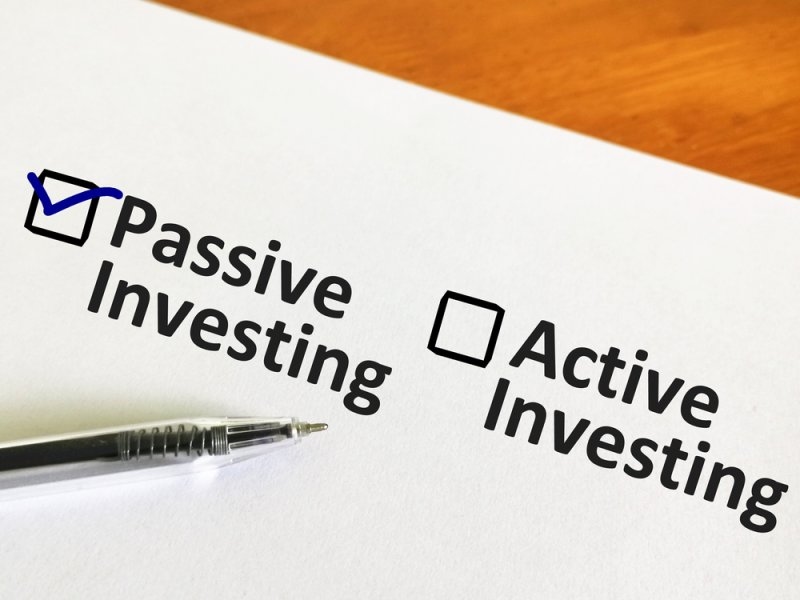
Active and Passive Mutual Fund: Which One is Better?

Active mutual funds and passive mutual funds have one major difference: strategy.

Active funds rely on fund managers to hand-pick stocks and adjust investments in an attempt to outperform the market. Passive funds, on the other hand, simply track an index without making changes.

Active funds can outperform the market in certain years, but they come with higher fees and the risk of poor decision-making by fund managers. Passive funds take a long-term approach, offering steady growth without the added cost.

For most investors, passive investing wins. It requires less effort, costs less, and delivers reliable returns over time.


Read More: Unlock Long-Term Market Success with Position Trading Master


How to Get Started with Passive Mutual Funds

If passive investing sounds like the right fit for you, getting started is easy.

  • Choose a Broker or Investment Platform – Most major investment firms offer passive mutual funds. Vanguard, Fidelity, and Schwab are some of the most popular choices.
  • Pick an Index Fund – Decide which index you want to track. The S&P 500 is a great option for beginners, as it represents the 500 largest companies in the U.S.
  • Check the Expense Ratio – Lower is better. Many passive mutual funds have expense ratios under 0.10 percent, meaning you pay just a few dollars in fees for every $10,000 invested.
  • Set Up Automatic Contributions – One of the best things about passive investing is its hands-off nature. Set up a recurring contribution to your fund and let it grow over time.
  • Stay Consistent – Passive investing is all about playing the long game. Stick to your plan, avoid panic-selling during market dips, and let compound growth do its thing.

Who Should Invest in Passive Mutual Funds?

Passive mutual funds are a great fit for:

  • Beginners – If you’re new to investing and don’t want to pick individual stocks, passive funds offer an easy entry point.
  • Long-Term Investors – Those who are in it for the long haul will benefit the most from steady, market-matching returns.
  • Busy Professionals – If you don’t have time to monitor the stock market daily, passive investing allows you to grow your wealth with minimal effort.
  • Cost-Conscious Investors – If you want to keep fees low and avoid expensive fund managers, passive mutual funds are the way to go.

Common Myths About Passive Investing (And Why They’re Wrong)

Despite its growing popularity, passive investing still has its skeptics. Some people believe it’s too “boring” or that it can’t generate real wealth. Let’s clear up some of the biggest misconceptions.

Myth #1: Passive Investing Only Works in a Bull Market

Many believe that passive mutual funds only perform well when the stock market is booming. However, history shows that while there are short-term downturns, the market has always recovered and continued to grow. The key is patience—passive investors ride out the lows and benefit from long-term growth.

Myth #2: Active Management is Always Better

Some think that professional fund managers can consistently outperform the market. In reality, studies have shown that most active managers fail to beat index returns over the long run, and they charge higher fees in the process. Passive investing keeps costs low and lets time work in your favor.

Myth #3: Passive Investing is Only for Beginners

While passive investing is a great entry point for new investors, many experienced investors also use this strategy. Even billionaire investors like Warren Buffett have praised index investing for its reliability and cost efficiency.

By debunking these myths, it’s clear that passive investing isn’t just a lazy approach—it’s a smart, evidence-backed strategy for building long-term wealth.


Also Read: Amazon Autos to Help Dealers Sell Used Cars


Final Thoughts: Is Passive Investing Right for You?

If you’re looking for a low-cost, stress-free way to grow your wealth, passive mutual funds are one of the smartest investment strategies out there. They eliminate the guesswork, minimize fees, and offer steady long-term returns.

Instead of trying to predict the next big stock, passive investors simply let the market do the work. And history has shown that the market, over time, always goes up.

So, whether you’re just starting your investment journey or looking for a better way to manage your portfolio, passive mutual funds offer a simple, effective solution.

What do you think? Have you tried passive investing, or are you considering making the switch? Let’s talk in the comments.

Read Next

What are Bear Markets and How Do They Work in 2026?
Articles

What are Bear Markets and How Do They Work in 2026?

Key TakeawaysFirst, check whether the market has dropped by at least 20% before calling it a bear market. It sounds simple, but that's the official threshold. Next, understand the stages of a bear market-knowing when it's panic versus opportunity helps you make smarter choices. Don't let short-term swings rattle you; keep your eyes on your bigger financial goals.Spread your investments out (diversify!) so you're not risking everything on one type of asset.Honestly, looking back at old bear markets can be surprisingly comforting-it shows that markets have a knack for bouncing back.Bear markets can make even seasoned investors sweat a bit. Watching stocks tumble day after day is stressful, and it's easy to get spooked and act on emotion. Still, downturns aren't rare. They're part of the usual market routine. CFRA Research and S&P Dow Jones Indices have tracked numerous bear markets over the last hundred years in the U.S. Each time, the market dipped and eventually soared back above its previous level.Getting familiar with how bear markets play out helps you stay cool and avoid knee-jerk decisions. In this guide, you'll find out what a bear market is, why they crop up, and the phases you'll go through, a list of U.S. bear markets, and how they actually affected people and the economy.What are Bear Markets?A bear market happens when a major stock index drops at least 20% from its recent peak-and investor confidence takes a nosedive. While some pullbacks might be nothing to worry about for a few days, bear markets are driven by more serious economic concerns.Stuff like sagging profits, slow growth, stubborn inflation, or financial messes can drive markets down for months, sometimes years.It's not just stocks. Bear markets can hit cryptocurrencies, commodities, and even real estate. The big theme is pessimism-everyone's selling, nobody's buying.What Triggers Bear Markets?There's never just one reason for a bear market. Sometimes the economy chills out, sometimes it's politics or interest rates, but the result is kind of the same: people freak out and sell.Economic RecessionsWhen the economy slows down, companies make less money. People cut back on spending, layoffs pick up, and confidence slips. This pulls stock prices lower.Hiking Interest Rates In an effort to combat inflation, the central banks increase interest rates. Borrowing now becomes costlier. This adversely affects consumers and businesses. The economy starts slowing down, and so do the financial markets.High InflationWhen prices just won't stop climbing, companies start paying more for everything. Profits slow down, and investors worry it'll stick around, so stocks drop.Geopolitical EventsA scary thought for investors these days is the prospect of wars, trade battles, and political upheaval. Uncertainty is a red flag for the market, so such events often trigger bear markets.Financial CrisesBank failures, housing crashes, or a meltdown in credit can spread fast. Take the financial crisis in 2007-2009 as a prime example.The Four Phases of a Bear MarketKnowing these stages helps you spot what's happening-and maybe avoid making bad moves.Phase 1: Optimism FadesMarkets hit wild highs before reality sets in. At first, everyone shrugs off the dip, keeps buying, thinking it'll bounce back quickly.Phase 2: Fear Sells Stocks Bad news follows quickly. The first set of earnings reports disappoints; Unemployment rises. Panic sets in, and Investors dump their stocks in a desperate sell-off. Volume spikes as people panic.Phase 3: CapitulationThis is when emotion runs highest. People sell simply to stop the pain. The market feels miserable, and prices fall hard-and oddly enough, savvy long-term investors sometimes scoop up bargains here.Phase 4: Recovery Kicks InGradually, things improve. Confidence grows, companies earn more, stock prices settle, and then start rising again. Recoveries often sneak up before the headlines start sounding hopeful.List of U.S. Bear MarketsBear markets have hit the U.S. plenty of times. Each one has its own drama, but, in the end, the recovery shows up.Bear MarketPeriodPrimary CauseMarket DeclineGreat Depression1929-1932Stock Market Crash~86%Oil Crisis Bear Market1973-1974Oil Embargo and Inflation~48%Black Monday1987Stock Market Crash~34%Dot-Com Bubble2000-2002Tech Bubble Burst~49%Global Financial Crisis2007-2009Housing Market Collapse and Banking Crisis~57%COVID-19 Bear Market2020COVID-19 Pandemic~34%Bear Markets in US History: What Investors Can Learn?If you study bear markets, there's a clear pattern: every downturn feels like the end of the world, but the market always claws its way back. That resilience should boost your confidence, even if it doesn't guarantee the future.Markets Recover-Every TimeAfter every big bear market, the U.S. market went on to hit new highs. Sometimes it takes months; other times, years. But innovation, growth, and earnings push things upward.Emotional Decisions Usually HurtFear is a killer. People sell after they've already lost a chunk, then hesitate to get back in while uncertainty dominates the headlines. The best investors stick to their plan, ignoring the daily chaos.Diversification Keeps You SaferYou can't eliminate all risk, but you can spread it out. A mix of stocks, bonds, cash, sectors, and countries means you're not relying on one thing, so you're less exposed during a downturn.Long-Term Planning Is More Powerful Than Market TimingTrying to nail the exact top or bottom is almost impossible-even for pros. Most experts say steady investing, with a focus on the long haul, beats chasing every blip.Bear Market vs. Bull MarketInitially, both bear vs. bull markets may appear similar, but they have a distinct difference, and here is what they are:FeatureBear MarketBull MarketMarket MovementStocks Drop at Least 20%Stocks Rise SteadilyInvestor SentimentFear Takes OverOptimism PrevailsEconomic ConditionsEconomy SlowsEconomy ExpandsCorporate EarningsCompanies Report Weaker EarningsCompanies Post Stronger ProfitsTypical Investor StrategyHunker Down, Diversify, and Stay DefensiveInvest for Growth and Take Advantage of Rising MarketsHow Can Investors Get Ready for Bear Markets?You can't stop downturns, but you can play smarter.Review Your GoalsThink about your timeline. Saving for retirement? Buying a house in two years? Let your larger goals drive decisions-not day-to-day headlines.Diversify Your PortfolioDon't put all your eggs in one basket. A blend of assets-stocks, bonds, and cash-helps cushion the blow when things get rough.Keep an Emergency FundIf life throws surprises during a bear market, having three to six months of expenses stashed away means you won't have to sell investments at bad prices.Stick to Consistent InvestingIf you keep investing regularly, you're buying some assets at bargain prices during bear markets. Dollar-cost averaging does the work, so you don't have to time the market perfectly.Rely on Solid, Trustworthy InformationNews moves fast during market downturns, and much of it is noise. Stick with trustworthy sources-banks, government agencies, and seasoned advisors.Common Mistakes Investors Make During Bear MarketsEven pros slip up. Here are the biggest pitfalls.Selling in a PanicSelling after big losses locks in those losses. Decisions made in fear rarely pay off.Skipping Portfolio ReviewsAs markets swing, your mix may drift away from your plan. Check in regularly and rebalance.Chasing Risky BetsSome folks try to make up losses by gambling on risky stocks. This usually backfires and deepens the pain. Don't Be Glued to the 24/7 News Feed It may feel necessary to track daily market action, but wise investors will ignore all that chatter and focus on the long-term. Try This: Bear Put Spread: The Guide to Help You Limit The RiskConclusionBear markets are a normal part of investing, not the doom of all hope. Despite the doomsayers on the evening news, history has consistently shown that the market bounces back time and time again. By understanding why they occur, recognizing their distinct phases, and identifying the patterns they create based on past performance, you can make informed, rather than panicked, investment decisions. Don't spend your time and energy trying to time each market fluctuation. Simply diversify your investments, keep putting money to work, and stick to your long-term objectives. Time and discipline have a way of navigating you through the ups and downs. Get Confident Before the Next Downdraft. Whether market turbulence becomes the norm or simply a period we'll get through, you have the power to keep uncertainty from taking control of your financial future. Continue your education, adjust your plan when necessary, and make your decisions with confidence that's built on fact, not fear. Investment knowledge builds the cool-headed discipline needed to see both opportunities and obstacles in even the choppiest of market environments.FAQsCan Bear Markets Happen Without a Recession?Absolutely. Bear markets and recessions sometimes coincide, but it's not a package deal. "A bear market is characterized by a big decline in prices; a recession is the result of low economic activity. " Stocks might fall before a recession hits-or bounce back even as the economy still struggles.Which Sectors Hold Up Best During Bear Markets? Defensive sectors such as healthcare, utilities, consumer staples, and essential services tend to fare relatively better in tumultuous times. People still buy necessities, after all. Still, every cycle's different, and no sector is totally safe. How Long Does Recovery Take After a Bear Market?There's no set timeline-sometimes it's months; other times it takes years. Don't stress about trying to predict the rebound. Instead, keep investing, diversifying, and staying focused on your long-term strategy.

Bull vs. Bear Markets: What's the Key Difference?
Articles

Bull vs. Bear Markets: What's the Key Difference?

Key Takeaways  Start by understanding if the market's on the way up (bullish) or heading down (bearish) before making your moves. Don't get caught up in all the daily price noise-keep your eyes on your long-term goals. Spread your investments around. That way, you're not putting all your eggs in one basket, no matter what the market's doing. Use multiple strategies: Markets are up and down; there are a multitude of playing cards, so don't use one. Watch at points such as the information, which includes corporate revenue and economic details, as well as the feelings associated with other people, for a few indications of where the marketplace is likely heading.Before you dive into investing, you've got to know the basics-and understanding bull vs. bear markets is about as fundamental as it gets. Whether you're just starting or you've got a pile of stocks already, knowing how these cycles work helps you make better calls and keeps your emotions in check. Here's the deal: According to historical data from S&P Dow Jones Indices and market research by the Corporate Finance Institute (CFI), over the last hundred years, the U.S. stock market has spent way more time in bull markets than in bear ones. Still, when bear markets show up, they hit fast and hard-enough to rattle even experienced investors.Getting a grip on these cycles isn't about guessing the future. It's about figuring out where we are now and adjusting your game plan. We'll walk through what is a bear market, what is a bull market the differences between bull and bear markets, how they affect your investing approach, and some straightforward strategies for both.Bull vs. Bear Markets-What's the Difference?  Think of "bull market" and "bear market" as shorthand for which way the markets are moving.  A bull market means stocks just keep climbing. People feel good, companies are growing, and the economy is charging ahead.  A bear market, on the other hand, starts when prices drop at least 20% and stay down. Investors get worried, spending slows, and the business outlook gets shaky.It's simple on paper, but living through these ups and downs is never boring.What is a Bull Market?  Optimism takes center stage during a bull market. Investors see company profits rising, shoppers spending more, hiring steady, and businesses expanding. It is all that the stock price needs.Search for the following:Positive economic growthUpward growth in earnings per companyFalling levels of unemploymentConsumer trustIncrease in investmentsLet me think of the bull period after 2009 until March 2020 (the Covid era). The S&P 500 shot up by over 400%. That's what a bull run looks like.Signs the Bull Market Keeps Rolling  No one's got a crystal ball, but some things point to more gains: Companies posting solid earnings, strong economic numbers, more folks jumping into stocks, not-too-hot inflation, and central banks keeping things friendly for markets. When these lines are in place, investors stay upbeat.Try This: The Bull Put Spread: A Simple Strategy for Raising MarketsWhat is a Bear Market?  Bear markets are when doubt creeps in. Investors start selling off-maybe because growth slows, inflation is a problem, rates shoot up, or there's some crisis or global mess.  Markets can tumble even if the economy isn't technically in a recession, but often the two go hand in hand.Bear markets usually look like this:Stocks are taking a steady beatingShoppers dialing back spendingCompanies struggling to turn a profitWild market swingsInvestors feeling nervousBear markets don't last forever-on average, they stick around for about 9 or 10 months, but every one's a little different.What Causes Bear Markets?  Lots of things can trigger these declines:RecessionsSoaring inflation or interest ratesTrouble in banks or credit marketsWars or political turmoilSurprises like a global pandemicMarkets usually bounce back before the news gets sunnier, so good luck trying to nail the perfect timing.Bull vs. Bear Markets-Side by Side   Understanding the differences between bull and bear markets helps investors adjust expectations rather than react emotionally.FactorBull MarketBear MarketMarket DirectionRising pricesFalling pricesInvestor SentimentOptimisticFearfulEconomic GrowthStrongSlowingCorporate EarningsIncreasingDecliningEmploymentGenerally improvingOften weakeningInvestment StrategyGrowth-focusedDefensive and value-focusedRisk AppetiteHigherLowerHow to Invest in Bull Markets?  Yes, bull markets make things look easy, but there's still risk, and here is how to invest in Bull Markets:Stick with itDon't bail out too early. Staying invested pays off more than trying to time the top.Hunt for GrowthSectors like tech and consumer goods usually shine when the economy's booming.Keep Diversification in MindNo market's a sure thing, so you still need balance.Rebalance your MoneySome areas get overgrown during a bull run-rebalance now and then to keep your risk in check.How to Invest During Bear Markets?  Bear markets are uncomfortable, but they don't last, and here is how to invest during bear markets:Keep Buying RegularlyDollar-cost averaging means you snag more shares when prices are low. It's all about consistency.Pick QualityCompanies with healthy finances tend to bounce back faster.Don't Panic-SellSelling during a drop just locks in your losses. Most investors who wait it out end up recouping their value.Why it Matters  Everyone investing for the long term will face bull and bear markets. Neither one sticks around forever. Bulls grow your wealth; bears give you chances to buy stocks at discount prices, and that's how you make money in a bear market. The trick isn't guessing where the market's headed next. It's sticking with a balanced plan, avoiding knee-jerk reactions, and thinking long-term. History proves markets recover in the end-even after some rough patches.Conclusion  Knowing the difference between bull and bear markets helps you make smarter moves. Bull runs build your wealth; bear markets test your nerves. Both are part of the ride. Pay attention to what's going on, spread out your investments, stay focused on your goals, and keep your approach disciplined. You're not trying to win every battle-you're building something strong enough to last. If you can wrap your brain around these kinds of cycles, then you can go out there with your eyes wide open to face what happens next. Want to crush it in your investing? Never stop reading and looking for solid stuff, and let research, not emotions, drive what you do. Inch by inch, you'll see consistent growth.FAQsCan a Bull Market Turn Into a Bear Market Overnight?  Not exactly. Even when stocks drop suddenly, it takes a while before you officially get a bear market-a 20% decline that sticks. It's a mix of economic news, company results, and investors' moods coming together over time. Try not to stress over a bad day or two. Focus on the big picture.Which Investments Do Well During High Inflation?  Different investments react in their own way. Some people look at things like commodities, energy stocks, Treasury Inflation-Protected Securities (TIPS), or companies that can raise prices without losing customers. Nothing's bulletproof, though-diversify and check your mix regularly, especially when inflation heats up.Should Beginners Wait for a Bear Market Before Investing?  Nope. Waiting for the perfect moment is a tough (and usually losing) game. The best investors start with a long-term plan and just keep adding to it, whether the market's up or down. Time in the market and a smart, steady approach usually beat trying to nail the lows. Patience, discipline, and spreading your money around-those are what really pay off.

What are the Core Principles of Bogle's Index Fund Strategy?
Articles

What are the Core Principles of Bogle's Index Fund Strategy?

Staring at stock charts all day is exhausting. Trying to guess which stock will explode next usually just stresses you out and tanks your returns. Worse, you end up handing a massive chunk of your cash to brokers in fees while completely missing the actual market growth. John Bogle completely changed how regular people approach their portfolios. He realized that trying to beat the market is a loser's game over the long run. Instead of hunting for the needle in the haystack, he suggested just buying the entire haystack. Bogle's Index fund strategy strips away the noise, the high management fees, and the constant buying and selling. Things You Must Know About Bogle's Index Fund StrategyKeep management fees extremely low.Never try timing the market.Hold your investments for decades.Ignore daily financial news noise.Automate your monthly fund contributions.What is the Bogle Index Fund Strategy?This approach is about completely ignoring the stock-picking game. Instead of hiring an expensive manager to guess which companies will perform best this year, you simply buy a fund that holds a tiny piece of every single company in a specific market. You are betting on the overall growth of the economy rather than the success of one single CEO or product launch.This method completely eliminates the risk of picking a failing business while simultaneously dropping your management fees to almost zero. You buy the fund, you hold it, and you let compound interest do the heavy lifting over several decades. It removes the emotional panic of daily trading and focuses strictly on long-term wealth creation.Must Read: Is Passive Investing the Best Strategy for Long-Term Wealth?Understanding the Core Principles of Bogle's Index Fund StrategyYou do not need a finance degree to make this work for your retirement. You just have to follow a few hard rules and ignore what everyone else is doing.1. Buy the Entire MarketStop trying to find the one stock that will triple in value. Just buy an S&P 500 or total market fund so you automatically own the winners.2. Keep Your Costs Dirt CheapEvery dollar you pay a broker is a dollar that isn't compounding for your future. Always hunt for the absolute lowest expense ratios available.3. Never Try to Time ItNo one actually knows when a crash is coming. Keep putting money in every single month regardless of what the news says.4. Stay the CourseWhen the market tanks by twenty percent, human nature screams at you to sell everything. The core principle here is to do absolutely nothing and wait for the recovery.Top Pick: Retail Investor Strategies Winning the Market in 20265 Best Investment Advice from John BogleBogle spent his entire life telling retail investors how to stop getting scammed by high-fee mutual funds. These are the foundational rules he preached to keep your money actually in your own pocket.1. Beware of the HelpersFinancial advisors are usually just salespeople trying to push you into expensive products that pay them a huge commission.2. Revert to the MeanThe hot tech fund that crushed it last year will eventually cool off and perform worse than average. Stop chasing past performance.3. Simplicity Always WinsYou do not need a complicated portfolio with fifty different exotic assets. A simple three-fund portfolio beats complex setups almost every time.4. Time is Your FriendStart as early as you possibly can. The math behind compound interest means a dollar invested in your twenties is worth way more than a dollar invested in your forties.5. Ignore the NoiseStop checking your stock app every day. The daily ups and downs are totally meaningless over a thirty-year horizon.How Bogle's Index Fund Strategy Simplifies Investment Planning?Building a retirement plan feels entirely overwhelming when you think you have to read corporate balance sheets. This method strips away all the hard work and lets you live your life.1. Zero Research RequiredYou never have to read an earnings report or watch a CEO interview. You own everything, so individual company news does not matter to you at all.2. Automated ContributionsYou just set up an automatic transfer from your checking account into the fund every payday. You literally do not have to think about it.3. Easy Portfolio RebalancingInstead of trying to juggle a bunch of random stocks, you only have to look at your account once a year to make sure your stock-to-bond ratio is right.4. No Tax StressBecause you are not actively day trading, you do not have to deal with a huge, complicated tax bill every single April.ConclusionAt the end of the day, skipping the complex trading strategies and just trusting the overall market fundamentally changes how you build wealth. Bogle's Index Fund Strategy takes the ego completely out of the equation. You accept that you cannot predict the future, and instead, you rely on the consistent, historical growth of the global economy. Frequently Asked QuestionsDoes the Bogle index fund strategy work during a major recession?Yes, and that is actually when it matters the most. During a recession, people panic and sell at a huge loss. The strategy dictates that you keep buying shares while they are cheap. Because you own the whole market, your portfolio will naturally recover when the overall economy eventually bounces back.How does this approach compare to buying real estate?Real estate requires a ton of upfront capital, constant maintenance, and dealing with bad tenants. Index funds require zero physical effort; you can start with fifty dollars, and the assets are completely liquid, meaning you can sell them instantly if you actually need the cash in an emergency.What is the Bogle index fund strategy regarding bonds?While he heavily favored stocks for growth, he recommended holding a percentage of your portfolio in high-quality bond index funds to smooth out the ride. As you get older and closer to retirement, you slowly increase your bond holdings, so a sudden market crash doesn't wipe out your savings right before you need to live on them.

Is Passive Investing the Best Strategy for Long-Term Wealth?
Articles

Is Passive Investing the Best Strategy for Long-Term Wealth?

Quick TakeawaysPassive investing is about playing the long game. You're not looking for overnight success or glued to a screen making trades all day. Most beginners stick with index funds or ETFs-they're simple and effective. Honestly, fees matter. The less you shell out, the more you get to keep as your money grows. Plus, when you aren't constantly checking your account, it's a lot easier to keep your cool and stay away from knee-jerk decisions.A broad mix of investments spreads out your risk and lets you ride the market's overall growth.Passive investing has earned the trust of new and experienced investors because it actually works over the long haul. Instead of trying to outsmart the market with constant trades, people who invest passively stick their money in funds designed to track the market as a whole. And the data doesn't lie: research from S&P Dow Jones shows that, after you factor in fees, most actively managed funds don't beat their benchmarks. That's why more people are choosing the simpler route.If you've ever worried that investing is too complicated, you're not alone. The secret is that you don't need to predict what's next-patience usually wins. Here's a look at how passive investing works, how it compares to the active approach, the ins and outs of index funds, passive vs active fund investing performance, key benefits and risks, and what it actually takes to build a passive portfolio you can stick with for the long run.What is Passive Investing? The beauty of passive investing is the simplicity-all you have to do is match the market, not beat it. People buy diversified funds-like index mutual funds or ETFs-and hold onto them for years rather than jumping in and out. Here's what those usually look like:Index mutual fundsETFs (Exchange-Traded Funds)Broad market index fundsTarget-date retirement fundsBecause these funds just follow an index, they don't cost much to manage. That means you pay less in fees, so more of your money stays invested.Try This: Why Insurance is Essential in a Diversified Portfolio PlanWhy is Passive Investing so Popular? The main reason? It takes a huge weight off your shoulders. Forget daily stress and second-guessing the market; it's all about steady, long-term growth. The main benefits: Lower fees to invest Instant portfolio diversity Minimal management Emotion-free investing A strategy you'll actually stick to. It's suitable for newbies and old hands alike.Active vs Passive Investing Active and passive investing are both methods to grow your wealth, but each approach takes a different road to get there. Passive investing means trying to match the market-not beat it. Active investing means trying to outperform the market by making frequent trades. And naturally, passive has lower fees.Passive portfolios are generally more diversified, while active ones depend on the manager's picks.Passive investing takes less of your time.While the debate goes on, plenty of research shows that most actively managed funds struggle to keep up with simple index funds, especially after fees erode returns over the years.Understanding an Index Fund Passive Strategy With passive investing, most people choose funds that track major market indexes:S&P 500 Index Funds: They own hundreds of America's biggest companies, giving you diversification in a single move.Total Stock Market Funds: A sweep of thousands of stocks-small, big, and everything in between.International Index Funds: Want to avoid putting all your eggs in one economy? These funds add global exposure, which helps smooth out risk.How to Build a Long-Term Passive Portfolio?You don't need a fancy finance degree to get started. Here's how you do it:1. Set Your Financial Goals   What are you aiming for-retirement, a house, college for your kids, or just growing your net worth? Your goal shapes your timeline and choices.2. Pick Diversified Funds   Rather than betting on a handful of stocks, pick broad-market index funds. That's diversification, and it helps lower risk.3. Invest Regularly   Put in money every month, no matter what the market's doing. This "dollar-cost averaging" approach smooths out the market's normal ups and downs.4. Rebalance When Needed   Once a year, check that your portfolio still matches your goals and risk level. Adjust only if you need to - don't overthink it.What about Passive Income Investing?People sometimes mix up "passive investing" with "passive income investing." They're not the same.Passive investing is about growing your money over the years by tracking the market.Passive income investing is all about investments that pay out regularly, like dividends or rent. For example: dividend stocks, REITs (real estate funds), bond funds, or rental properties.A lot of folks mix both approaches for a solid plan that builds wealth and regular cash flow.Pros and Cons of Passive InvestingNo investment style is perfect. Here's what passive investing means: PROS Lower expense ratios (than active trading) Access to many companies Good tax efficiency Minimal effort required Passive investors do not take emotions out of their portfolio CONS Not good at outperforming the market Lack of flexibility When the market dips, you still feel painYou lose control Unable to avoid benchmark holdings You are likely to miss opportunities. "Now you can know both sides of the coin. Now you know that it can work and that it can make mistakes you shouldn't commit. Now you know what the best strategy for investing is that can ensure maximum returns without many risks involved." Common Mistakes Passive Investors Make Passive Investing is not as easy as it seems Here are slip-ups to avoid:Trying to "time" the marketSelling when headlines turn scarySkipping diversificationJumping between funds too oftenExpecting overnight resultsInvesting without a goalThe best results come from hanging in there and ignoring the noise.ConclusionPeople trust passive investing for a reason: it's straightforward and works well over long stretches. You're not glued to market news or making snap decisions. Instead, you buy into solid index funds, let compounding do its job, and keep costs down. There's no magic formula, but decades of research show that staying in the market, diversifying, and keeping fees low tilt the odds in your favor. Whether you want retirement security, help paying for college, or freedom down the road, passive investing is a path anyone can follow. Start with a clear goal, invest regularly, review once in a while, and don't let headlines shake your confidence. Tiny decisions compound into real wealth over time.Start Building Wealth With ConfidenceYou don't need to predict what happens next in the market. What you need is a plan you believe in-and the discipline to keep going. Figure out your goals, choose solid diversified investments, and stick around for the ride. The earlier you start, the more your money grows over the long run.FAQsIs Passive Investing Still a Good Idea During Market Downturns?Yes. Passive investing is built to ride out the full cycle, good years and bad. Market drops are part of the deal, and folks who keep investing - even when it hurts - are in the best position when things recover.Can Beginners Start Passive Investing With Just a Little Money?Definitely. Many brokers let you start small, even with fractional shares. You don't need a fortune-just consistency. Small, regular investments can add up fast, thanks to compounding.How Often Should I Review My Passive Portfolio?Once or twice a year is plenty. Check that your mix of investments fits your goals and risk comfort. Ignore the urge to react to every market move-too many changes mess with the magic of long-term investing.

Ask stocky