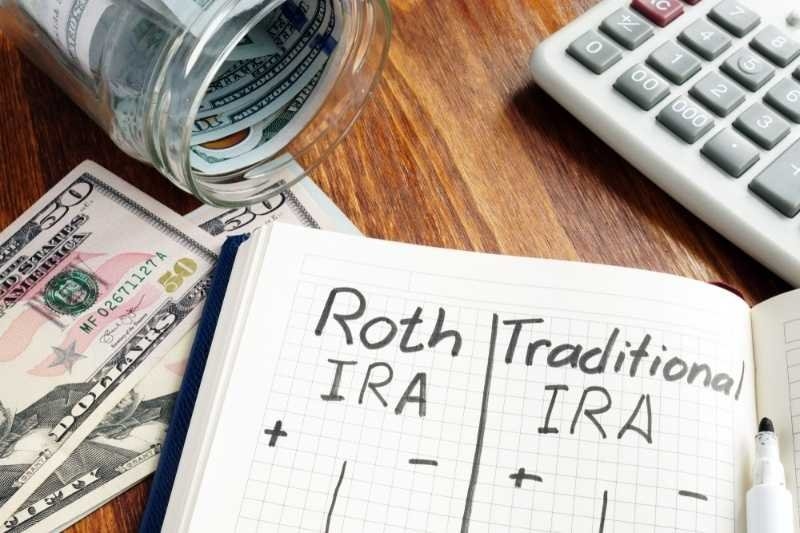
Choosing the wrong retirement account can force you to pay a lot of money in just taxes. This is the reason you need proper knowledge for investing your money at the right place.
This guide breaks down the rules so you can protect your wealth from heavy tax hits and secure your retirement savings.
Picking the wrong retirement account drains your future wealth. A traditional IRA lets you skip taxes today but hits you with a tax bill when you pull the money out later. A Roth IRA takes taxes out of your paycheck right now, but your money grows tax-free forever. Knowing the exact difference dictates how much cash you actually keep when you stop working. You must match your account choice to your current tax bracket and your future financial plans.
Must Read: Top Investment Options for Your Roth IRA: Invest Like a Pro!
You can check below to find out what is better between traditional and roth IRA:
If you earn a high salary right now, a traditional IRA cuts your current tax bill. You pay taxes later when you retire and likely fall into a lower bracket.
If you expect taxes to go up in the future, lock in today's rates with a Roth IRA. You pay upfront and take out tax-free cash later.
Traditional IRAs force you to withdraw money at a certain age. Roth IRAs have no required minimum distributions during your lifetime. This lets you leave the money alone to grow if you do not need it.
High earners face firm income limits for Roth IRAs. In 2026, single filers phase out between $153,000 and $168,000. If you earn more, you might have to rely on a traditional account.
A Roth IRA acts as a great wealth transfer tool. Your heirs receive the money tax-free, whereas traditional IRA heirs owe taxes on every dollar they withdraw.
You have to know exactly how these accounts operate before you fund them. Here are the main differences between Roth and traditional IRAs you must track:
Traditional IRAs often let you deduct your contributions from your taxable income this year. Roth IRA contributions bring zero immediate tax relief.
You owe ordinary income tax on every dollar you pull from a traditional IRA in retirement. Qualified Roth IRA withdrawals are tax-free.
Anyone with earned income can fund a traditional IRA. Roth IRAs lock out high earners based on their modified adjusted gross income.
Pulling earnings from a traditional IRA before age 59 ½ triggers taxes and a heavy penalty. Roth IRAs let you withdraw your original contributions at any time without a penalty.
If your employer offers a 401(k), your ability to deduct traditional IRA contributions phases out at higher income levels. In 2026, the phase-out for single taxpayers covered by a workplace plan is $81,000 to $91,000.
A Roth account offers huge benefits but carries a few drawbacks. Here are the clear pros and cons of using a Roth IRA:
1. Tax-Free Growth
Every dollar of investment growth stays yours. You owe zero taxes on the earnings when you retire.
2. Flexible Withdrawals
You can take out your original contributions at any time. This acts as a backup emergency fund if your situation changes.
1. No Upfront Tax Deduction
You pay taxes on the money before it enters the account. This hurts if you need to lower your taxable income right now.
2. Firm Income Limits
High-income earners get locked out. If you make over the $168,000 limit for singles in 2026, you cannot make direct contributions.
Choosing the right account type defines your long-term success. Here are the top choices for a retirement IRA:
It is a perfect option for young workers who can expect their income and tax rates to grow in the coming years.
Perfect for high earners right now who need immediate tax relief and expect a lower income in retirement.
It is perfect for people who are self-employed or small business owners. This will allow you to have a limit of up to $72k in 2026.
This is a plan suitable for small businesses with fewer than 100 employees. It has a limit of upto $17k.
Allows a working spouse to fund an account for a non-working partner, doubling a family's tax-advantaged savings space.
Funding a Roth account gives you unparalleled control over your wealth. Here are the top three Roth IRA benefits to leverage:
You pay nothing to the IRS when you pull money out during retirement. Every dollar goes straight to your pocket.
If the government raises income tax rates in the future, your Roth money stays safe. You already paid your share upfront.
You can leave the account to your kids without sticking them with a large tax bill.
Picking a retirement account blindly is a massive mistake. Mastering the rules of a Traditional IRA vs Roth IRA decides exactly how much cash people keep when they finally stop working. Traditional accounts hand over an immediate tax break, while Roth accounts deliver tax-free cash later.
Yes. Taxpayers can absolutely split their money between both accounts. The only strict rule is that the combined total across all personal IRAs cannot break the annual IRS limit. For 2026, individuals can contribute a maximum of $7,500, or $8,600 if they are 50 or older.
High earners get locked out of direct contributions. If a single filer makes over the 2026 phase-out limit of $168,000, or a married couple filing jointly crosses $252,000, they cannot put money directly into a Roth IRA. However, those individuals can still fund the account indirectly by executing a backdoor Roth conversion.
Yes. Taxpayers must list their traditional IRA contributions on their annual tax returns. Skipping this paperwork means they lose the upfront tax deduction completely. That simple mistake ruins the main financial benefit of using a traditional account in the first place.