Loading market data...
Articles

Save for Retirement: The Fundamentals of Investing for a Secure Future

Shubhankar
Written By Shubhankar - Jul 28, 2022
Save for Retirement: The Fundamentals of Investing for a Secure Future


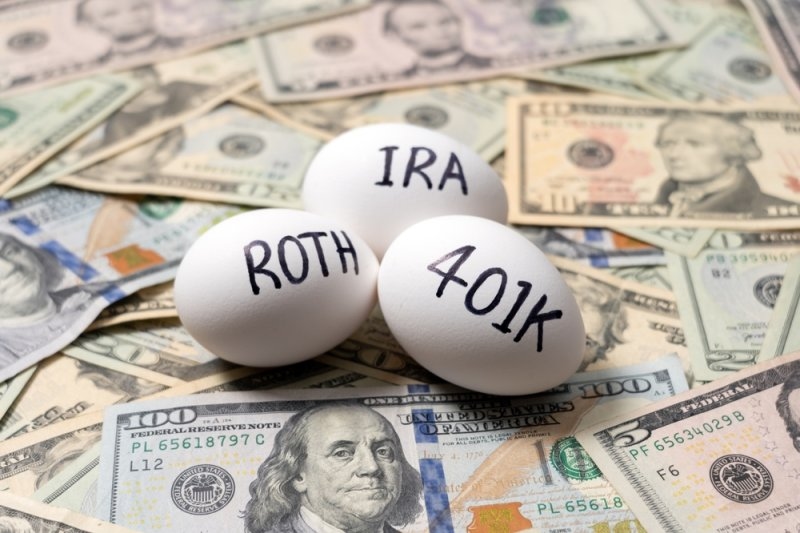
According to the World Council on Capital Markets, as of 2018, about 66% of working-age millennials (aged between 21 and 35 years) have some money set aside for retirement. When you consider that only about half of Generation X (adults age 36 to 53) and only about a third of Baby Boomers (adults 54 to 71) have started saving for retirement, this is fantastic news. This article will help you gain a clearer understanding of how you can grow your retirement savings through investing. We’ll navigate some common fears, debunk some investing myths, and show you how a simple, affordable investment strategy can help you save more and get ready for retirement sooner.


What is investing?

Investing is the practice of keeping your money somewhere (like a stock or bond) where it can grow over time. Investing is a way to build your income and savings over time. It’s a way to set aside money now, so you’re prepared for the future. Investing doesn’t guarantee that you’ll make money. But with the right strategy, you can improve your chances of building your savings and achieving your financial goals.


Why is investing so important?

Investing is the only way to ensure that you have enough money for retirement. Many people think that they can just work a few more years and retire earlier. But longer life expectancies and a volatile economy have made that almost impossible. The only way to be absolutely sure you have enough money to live comfortably in your retirement is to start saving early. The earlier you start, the more time your money has to grow, which can make a huge difference.

If you begin investing at age 25 and invest just $100 per month until you’re 65, you’re likely to have more than $244,000. If you wait until age 35 to start, you’re likely to have less than $99,000. That’s a difference of $145,000. That’s why investing is so important.


How to invest for retirement

To start investing for retirement, you’ll first want to choose a savings plan that lets you invest in stocks, bonds, or other types of investments. You’ll also want to consider your risk tolerance — or how comfortable you are with the ups and downs of the stock market. If you’re younger and hence have more time to ride out any dips in the market, you may wish to try a riskier strategy that has a higher potential for growth. If you’re older, you may want to choose a steadier investment strategy that’s less likely to cause swings in your savings.

Decide how much you’ll invest each month. You may also want to set up an automatic savings plan to help you stay on track. You can also start investing early to give your money more time to grow. The earlier you get into it, the more time your investment has to grow, which can make a huge difference.


Three important tips when investing for retirement

  1. Keep an eye on your balance - Make sure you’re regularly checking how much money you have in your retirement account. If you’re using an online investment account, you may be able to set up alerts or track your balance through a mobile app.
  2. Find a financial advisor or fiduciary - You don’t have to do this alone. A financial advisor can help you find the right investment strategy based on your goals and risk tolerance. A fiduciary is someone whose actions are in your best interest when advising you on your investments.
  3. Stay realistic - Every investment has risk, no matter how confident you are in the company. Be sure to set realistic expectations and reassess your strategy if the market changes or your goals shift.


Finding the right investment strategy

When it comes to picking your investment strategy, it’s important to understand your risk tolerance — or how accepting you are of the ups and downs of the stock market. There are three basic types of investment strategies, each with its own level of risk.

Long-term investments generate higher returns but can also lose value; Short-term investments are riskier than long-term investments but have the potential for higher returns; and in the middle, you have strategic asset allocation, which is the recommended strategy for most investors. Strategic asset allocation aims to balance risk and return and is often achieved by investing in a diversified mix of assets, such as stocks, bonds, real estate, and other alternatives.

Your investment strategy can impact your retirement savings in a big way. The best way to find the right strategy for your retirement is to understand your comfort level with risk and to be aware of your investment options. A retirement investment strategy with low risk will have a smaller chance of fluctuation in value, but it may not earn as much as a higher risk option. And if you’re saving for a short-term goal like saving for a car, or a home down payment, you may not want to go with the low-risk option because you will have to keep your money in savings for a much shorter time frame. The best way to find the right strategy is to know yourself. If you’re someone who can handle the ups and downs that come with investment risk, then you have more options and are more likely to find the right investment mix for you.


Should you invest in stocks?

Stocks are one type of investment you may consider for your retirement savings. They can be risky, but they can also help you save a lot of money for retirement in the long run. In general, stocks are for long-term investors who can risk losing some money in bad economic times. If you’re really nervous about risk, you might want to consider investing some of your retirement savings in low-risk investments, like bonds. Stocks are generally considered high risk, but they can also be high reward. If you invest wisely, you can earn a lot of money from stocks, especially over the long term. That can help you save more for retirement.


Simple ways to build your portfolio

When you invest for retirement, you might have a variety of asset types in your portfolio. Some of the most commonly known investments include stocks, bonds, real estate, and cash (or cash equivalents, like short-term government bonds). How do you decide what types of investments to add to your retirement portfolio? The best way is to start by thinking about your comfort level with risk and the long-term goals that you want your retirement savings to achieve. For example, if you want to buy a home in the future, then you might want to consider investing in real estate. Or you might have a child starting college in a few years, and you want to have enough money saved to cover tuition. In such a case, you might want to invest in stocks.


Important tips when investing for retirement

When investing for retirement, keep in mind that time is on your side. This can help you stay focused on the long-term savings goals that you have set for yourself. Begin saving early: If you start saving for retirement at an early age, you’ll have more time to let compound interest do its magic. Compound interest is the process by which investments earn interest and also earn interest on the interest that has been earned and is added to the original amount. Keep costs low: Costs like management fees on your investments can really add up over many years. You want to keep costs low so you can maximize your savings over a long period of time. Diversify: If you put all your retirement savings into one or two types of investments, you are at risk of losing everything if one of those investments tanks. Diversifying your retirement savings among several different investments helps you avoid this risk.


Bottom line

We all have to save for retirement, and there’s no better time to start than today. While it might seem a bit daunting, you can make things easier by keeping costs low and diversifying your retirement savings among different types of investments. By working toward a secure retirement, you can also help protect future generations by reducing the strain on government programs like social security. So get started by researching retirement investment options and finding an investment strategy that works for you. Visit Stockprices.com for more details and resources to help you save for a pleasant retirement.

Read Next

Simple Guide to Sector Rotation Strategy in the Stock Market
Articles

Simple Guide to Sector Rotation Strategy in the Stock Market

 Investing is not about picking the right stock; it is also about knowing when to focus on certain parts of the market. This is where a sector rotation strategy comes into play.In this blog, we will break down the drivers behind sector rotation in simple terms so you can apply them to your own investing journey.What is Sector Rotation Strategy?A sector rotation strategy is an investment approach where money shifts from one industry sector to another. These shifts happen because different sectors perform better at different stages of the economy. For example, during growth, the technology and consumer sectors may perform well. During slowdowns, investors may move toward sectors like healthcare or utilities.This idea is closely linked to market cycle investing, where investors try to align their portfolios with the phase of the economy. The economy typically moves through four stages: expansion, peak, contraction, and recovery. During the expansion phase, the economy is growing, jobs increase, spending rises, and businesses expand. Sector rotation strategy is important here because cyclical sectors like technology, consumer discretionary, and industrials tend to perform.The Role of Market CyclesAt the peak phase, growth slows down, and inflation may too. Interest rates increase. Sector rotation strategy is crucial at this point because the energy and materials sectors often perform better in this period. In the contraction phase, the economy. Enters recession. Investors usually move toward sectors such as healthcare and utilities, which are more stable. A sector rotation strategy helps investors make decisions.Finally, in the recovery phase, the economy starts improving. Financials and industrials often lead during this time. This natural movement explains shifting sector performance and highlights the importance of market cycles investing when applying a sector rotation strategy. This strategy is essential for investors to navigate these changes.Explore This One: How to Invest in AI Stock for Long-Term Growth in 2026Interest Rates and Monetary PolicyOne of the drivers of macro-driven investing is interest rates. Central banks adjust rates to control inflation and economic growth. These changes directly impact sectors. When interest rates rise, financial stocks may benefit because banks can earn more from lending. On the other hand, growth stocks like technology often struggle due to higher borrowing costs. The sector rotation strategy takes into account these changes.When rates fall, the situation reverses. Technology and growth sectors tend to perform well in real estate, or utilities may also gain strength. These changes lead to shifting sector performance, encouraging investors to adjust their strategy based on economic signals. Investors must consider interest rates when making decisions about sector rotation strategy.Inflation TrendsInflation is another factor in macro-driven investing. It affects purchasing power and business costs, which in turn influence sector performance. During inflation, the energy and commodity sectors often perform well because the prices of goods rise. However, consumer-focused sectors may face pressure due to increased costs. A sector rotation strategy helps investors respond to these changes.In an inflationary environment, growth sectors such as technology tend to thrive. Consumers spend more. Businesses can expand more easily. These shifts clearly show how inflation drives shifting sector performance and why it is a part of market cycles investing. Investors must consider inflation trends when making decisions about sector rotation strategy.Consumer Behavior and SpendingConsumer behavior changes with conditions, and this has a direct impact on sector performance. When the economy is strong, people spend more on essential items like travel, entertainment, and luxury goods. This benefits sectors like consumer discretionary. Sector rotation strategy is important here because it helps investors understand these changes.During economic periods, spending shifts toward essentials such as food, healthcare, and household goods. As a result, defensive sectors gain strength. This ongoing change contributes to shifting sector performance, making consumer behavior an important factor in any strategy. Investors must consider consumer behavior when making decisions about sector rotation strategy.Corporate Earnings TrendsCorporate earnings are a good way to see how healthy a sector is. Investors always want to know which sectors are doing well and which ones are struggling.When a sector has earnings growth, it gets more attention from investors. On the other hand, when earnings are weak, investors tend to stay away.This is how sector performance changes over time. It plays a big role in how markets work. If you keep an eye on corporate earnings trends, you can stay ahead of changes.Events and GeopoliticsBig events around the world can quickly change the market. Things like trade policies, conflicts, and problems with supply chains can all affect how sectors perform.For example, energy stocks might go up when there are tensions because people worry about getting the energy they need. At the time, technology companies might have problems because of trade restrictions or changes in rules.These kinds of things are a part of how markets work, and they can cause sudden changes in sector rotation strategy. Global events and geopolitics are really important to consider.Technological InnovationNew technologies can be a driver of sector rotation over time. When new technologies come out, they can make investors interested in industries.Advances in things like intelligence, automation, and renewable energy have created new opportunities. These innovations often lead to growth in certain sectors.As time goes on, this causes sector performance to keep shifting, making technological innovation an important factor in market cycle investing. Technological innovation is something to always consider.Investor Sentiment and Risk AppetiteHow investors feel about the market also plays a role in sector rotation. The market is not about numbers; emotions and expectations matter too.When investors are feeling good about the market, they are more willing to take risks and invest in sectors that could grow a lot. When the market is uncertain or volatile, they prefer safer options like healthcare or utilities.This behavior is closely tied to how markets work. It explains many short-term changes in sector performance. Investor sentiment and risk appetite are really important.Learn More: How to Create a Personalized U.S. Stock Watchlist Strategy?How to Use the Sector Rotation Strategy?To use this strategy, you need to stay aware of what is happening in the economy and make gradual changes. You should pay attention to things like GDP growth, inflation, and employment data to help guide your investment decisions. These signals can give you an idea of where the economy's headed.It is also important to diversify your investments across sectors to manage risk and balance out the effects of shifting sector performance. Interest rate trends are important too.Since they are a part of how markets work, understanding what central banks are doing can help you anticipate sector movements. Finally, keeping an eye on sector performance trends can help you see where money is flowing and where opportunities might be.Final ThoughtsSector rotation strategy does not entail forecasting market moves at each and every turn. Rather, it is knowledge of pattern recognition and sensible responses to changes that truly matter.By focusing on market cycle investing, you can align your investments with the economy. Paying attention to how markets work can help you make confident decisions.FAQs (Frequently Asked Questions)How often should I adjust a sector rotation strategy?There is no need to change it very often. Checking your portfolio every couple of months, reflecting on economic trends, normally should suffice. Too many modifications will increase the costs and, in the long run, decrease the returns.Is sector rotation suitable for beginners?Definitely! In fact, you can implement an extremely simple version in addition to your existing investment of some knowledge of economic cycles by using diversified sector funds for your investment. Concentrate on the long-term trends rather than short-term fluctuations to increase your confidence and knowledge.Can sector rotation reduce investment risk?Getting ahead of the game by moving your funds to less volatile sectors when you are not sure about the future can, at the same time, be a strategy for cutting down the risk. It is true that it won't get rid of the risk entirely, but it is a sort of portfolio readjustment mechanism in line with the new market conditions.Do I need to track global news for sector rotation?Absolutely! Internationally, the situations can affect the markets in various ways. Knowledge of the major economic and geopolitical changes can allow you to make wiser decisions and to alter your investing according to the overall trends impacting the different sectors. sector rotation strategyTopic: What Drives Sector Rotation in the Stock Market

Blockchain vs Cryptocurrency: Key Differences for Investors
Articles

Blockchain vs Cryptocurrency: Key Differences for Investors

 If you've spent any time poking around the world of digital finance, you've definitely heard people mention blockchain and cryptocurrency. Folks sometimes mix up the two, or use one term when they mean the other. But let's get this straight-they're not the same thing.That mix-up actually matters, especially if you're investing your own cash. Understanding the difference isn't just about sounding smart at dinner parties-it shows you where the real value lives, what risks you should watch out for, and where the next big chance might be hiding. So let's break down how blockchain and cryptocurrency connect, where they split apart, and why it's worth paying attention.Blockchain vs Cryptocurrency Explained ClearlyStart from the top: blockchain is the system, and cryptocurrency is just one thing you can run on it. That's the big idea.What is blockchain, and how does it workThink of blockchain as a digital notebook-or ledger-where a bunch of computers keep track of transactions together, not through some central boss. That's why you hear it called "decentralized."Here's what actually happens:Transactions get bundled into blocks.Each block links back to the one before it.Once a block's in, changing the data is almost impossible.The whole network signs off on every transaction.That setup builds trust-the records are sealed tight, and you don't need a bank or other middleman to approve things. And blockchain isn't just for money. It tracks packages, manages ID checks, and even runs digital contracts.What is cryptocurrency in simple terms?Now, cryptocurrency is simply digital money that lives on a blockchain. Think Bitcoin, Ethereum-all online, no coins, no bills.Why does crypto need blockchain? Here's the deal:Blockchain logs all the payments.It stops people from spending coins more than once.It keeps everything secure.So, blockchain is the foundation, and crypto is just one way to use it. Investors who mix the two up could miss something important.Don't Miss: Crypto ETF Risks: How It Impacts Your Investment Strategy?Core Differences Investors Should UnderstandLet's spell out how they actually differ, and why it matters when your money's on the line.Technology vs assetBlockchain is a tech platform. Cryptocurrency is a financial asset. If you invest in blockchain, you're usually betting on companies building or using something new-think software, cloud tech, or clever fintech tools.But if you're buying crypto, you're holding a digital asset that goes up or down based on how people feel and what's in the news. Completely different headspace.Stability vs volatilityBlockchain tech itself moves pretty steadily. Crypto prices, not so much. Bitcoin can jump-or crash-by thousands of dollars overnight. So, big rewards, big risks.Use cases beyond currencyBlockchain has a longer reach than you might expect.Companies and industries use blockchain for all kinds of things:Healthcare-locking down patient recordsLogistics-tracking shipmentsFinance-speeding up paymentsReal estate-signing digital contractsCryptocurrency, though, is mainly for payments or as a store of value. So, sure, all crypto uses blockchain, but not all blockchain is about crypto.How Decentralized Systems Change InvestingHere's where things get interesting-both blockchain and crypto are about taking power from the middleman and spreading it out. That changes how people think about trust.Why decentralization mattersOld-school systems rely on someone in charge-your bank, the government, whatever. Blockchain flips that script, letting everyone on the network help run things.It means:No single spot for a failure.Everything is more open.You don't have to trust any one company or group.As an investor, this opens up new options. Maybe you pick a decentralized finance platform over a traditional bank. Maybe you skip the big payment companies and just use crypto yourself.Risks within decentralized systemsDecentralization sounds great, but there are a few rough edges:Little to no regulation.Scams and fraud happen.You're in charge of your own security.That last one is brutal-lose your crypto wallet and your money is just gone. So, yes, freedom, but you get all the responsibility, too.Suggested Reading: Valuable ETF Investing Strategies USA Investors Need to KnowCrypto Technology Explained For Practical UseLet's demystify how this stuff happens day-to-day. Banks don't approve crypto payments. Instead, people in the network-sometimes called miners, sometimes validators-double-check and record each trade.Different coins use different rules-like proof of work or proof of stake-and those choices change transaction speed, fees, and even the power bill.A few big players run the show. Bitcoin's famous as "digital gold," but Ethereum takes things further and lets people build whole apps on top, including those smart contracts everyone talks about.Investment Strategies For Blockchain And CryptocurrencyOnce you get the differences, it's time to figure out what fits you.When blockchain investments make senseYou won't buy a "blockchain" itself, but you can snap up shares in:Tech companies building blockchain toolsFunds that focus on blockchain startupsNew ventures testing decentralized platformsWhen cryptocurrency fits your portfolioYou go for crypto when you're hungry for outsize gains and ready to eat some risk. You can:Hold big names like Bitcoin for the long-termTrade on price swingsInvest early in new tokensRegulatory And Security ConsiderationsBefore investing, it's important to understand the broader environment surrounding these technologies.Regulatory landscape in the USRegulators keep a sharp eye out for scams and want to keep markets honest and investors safe. New laws might boost confidence, but they can also shake up prices when they drop.Security risks and precautionsSecurity is non-negotiable. If you go crypto, think about:Using hardware wallets to store your coinsTurning on two-factor login everywhereAvoiding sketchy exchangesOnce your crypto is stolen, you're on your own-no helpdesk, no refunds. So know your risks.Also Read: How to Invest in AI Stock for Long Term Growth in 2026ConclusionThe difference between blockchain and cryptocurrency isn't just some technical nitpick-it matters. Blockchain is the foundation, the tech underneath. Cryptocurrency is a flashy, high-risk application built on top.If you want a steady, broad opportunity, blockchain has a lot to offer. If you want excitement and the possibility of big returns (and losses), crypto brings that.FAQsHow do taxes work for cryptocurrency investments in the US?The IRS treats cryptocurrency like property. You owe capital gains tax whenever you sell, trade, or use it-even swapping one coin for another counts. Keep tabs on every trade if you want to make tax season easier.Can blockchain exist without cryptocurrency?Yes, blockchain can function independently of cryptocurrency. Many companies use blockchain for supply chain tracking, identity verification, and data security without involving any digital currency.Are stablecoins safer than other cryptocurrencies?Stablecoins aim to hold a steady value, often tied to something like the US dollar. They dodge big price swings, but they aren't risk-free-you still need to worry about how well they're managed and regulated.What role do smart contracts play in crypto ecosystems?Smart contracts run by themselves on the blockchain. When the conditions are met, they just execute-no one in the middle, no extra steps. They promise cleaner, faster deals in lots of industries.

Dividend Vs Growth Stocks USA In Today's Market Battle
Articles

Dividend Vs Growth Stocks USA In Today's Market Battle

 The old dividend-versus-growth debate never really goes away, but it feels especially timely in 2026. Investors in the US market are dealing with a mix of sticky inflation worries, shifting rate expectations, and a market that has become more selective than it looked during earlier rallies. That changes the tone of the conversation. This is no longer just about personal style. It is about what is actually holding up better in the market right now.At the moment, value-oriented stocks have had the stronger year overall. As of early April, the Russell 1000 Value Index was up 2.4% for the year, while the Russell 1000 Growth Index was down 9.1%, according to reporting from The Wall Street Journal. Reuters also reported this week that US tech has just gone through one of its weakest stretches of relative performance in decades, which helps explain why growth investors have felt more pressure lately. That backdrop matters when looking at dividend vs growth stocks USA because many dividend-focused names sit closer to value territory, while many classic growth names remain concentrated in technology and other rate-sensitive sectors. The result is a market where income and stability have looked more attractive than pure future potential, at least so far this year. Dividend Vs Growth Stocks USA in the Current MarketThe simplest way to frame the current moment is this: dividend and value strategies have been winning on defense, while growth still carries the stronger long-term upside story if conditions improve. That may sound like a compromise answer, but it is also the most honest one.Investors have leaned toward dependable cash flow, lower valuations, and sectors that can hold up better when uncertainty rises. Energy has been one of the clearest examples. The S&P 500 energy sector has surged this year as oil prices jumped during the recent Middle East conflict, which has helped value-heavy parts of the market stay afloat. That is one reason searches around the best dividend stocks 2026 USA and steady income names have picked up. People are not only chasing yield. They are looking for businesses that can return cash while still appearing reasonably priced. In a market where the Federal Reserve kept rates at 3.50% to 3.75% in March and remains cautious because of inflation risks, that preference makes sense. What Dividend Stocks are Doing Better Right Now?Dividend stocks are not all the same, and that is where many casual comparisons go wrong. Some are slow, defensive, and built for income. Others are dividend growers with room for both payouts and price appreciation. In today's market, the second group has looked especially interesting.Investors have been paying attention to companies and funds that offer:Consistent dividends instead of unusually high yields with weak fundamentalsLower payout ratios that leave room for future increasesExposure to sectors like energy, telecom, healthcare, and select financialsLess dependence on aggressive valuation expansionThere is also a practical reason dividend names feel attractive right now. Even broad income funds are offering meaningfully more yield than growth-heavy funds. As of late February, the iShares Russell 1000 Growth ETF showed a trailing 12-month yield of just 0.38%, which highlights how little direct income growth investors usually get while waiting for price appreciation. That gap feeds the appeal of passive income stocks US investors often talk about. In a more volatile year, getting paid while waiting has emotional value as well as financial value. It can make it easier to stay invested when prices swing around.Why Do Growth Stocks Still Have a Case?Even with weaker performance this year, growth stocks are not suddenly irrelevant. They are simply in a tougher phase. In fact, some strategists now argue that the weakness has created more attractive entry points. Reuters reported this week that Goldman Sachs sees depressed tech valuations as a potential opportunity after one of the sector's worst relative stretches in 50 years. That matters because a good growth investing strategy is rarely about buying what already feels comfortable. It is often about identifying when strong businesses are being priced more reasonably than before. Growth investors are still looking at themes such as artificial intelligence, cloud infrastructure, software, semiconductors, and digital platforms. Those themes have not disappeared. They have simply become harder to own during a period when rates and geopolitics are affecting sentiment.There is also a difference between "growth is losing this year" and "growth is broken." Those are not the same thing. Morgan Stanley, quoted by MarketWatch this week, said opportunities are beginning to emerge again in quality growth stocks as valuations compress and earnings remain solid. You May Also Like: Are Debt Funds the Right Investment for You?Income Vs Appreciation is Not the Whole StoryA lot of investors treat this as a simple choice between cash flow today and capital gains tomorrow. In reality, the decision is more nuanced. The better question is what kind of market environment the investor expects, and what kind of portfolio behavior they can actually live with.Dividend-focused investing may suit people who want:Lower volatilityOngoing incomeEasier reinvestment through downturnsExposure to established, cash-generating businessesGrowth-focused investing may suit people who want:Higher long-term upside potentialMore exposure to innovation-led sectorsLess dependence on current incomeWillingness to tolerate steeper drawdownsThat is why ideas like a high yield dividend portfolio can look appealing on paper but still require caution. High yield alone is not a sign of quality. Sometimes it signals strength. Other times it reflects a stock price that has fallen for good reason. The best dividend strategies usually balance yield, business quality, and dividend sustainability rather than chasing the biggest number on the screen.What is Actually Winning in the US Market Right Now?If the question is strictly about what is winning right now, the answer leans toward dividend and value. The clearest evidence is the gap between the Russell 1000 Value Index and the Russell 1000 Growth Index this year, with value ahead and growth still in negative territory as of early April. Still, the answer gets more interesting when the time frame widens. Growth has recently shown signs of stabilizing, and some investors are already positioning for a rebound if inflation pressure eases and rate fears calm down. Reuters noted that despite recent market turmoil, UBS still expects strong earnings growth and sees AI adoption as a longer-term support for US equities. So, for now, the scoreboard favors dividend vs growth stocks USA on the dividend side. But that lead comes more from current conditions than from a permanent change in market leadership.How Investors are Adjusting Their Approach?Many investors are no longer choosing one camp exclusively. Instead, they are blending both styles. That approach makes sense in a market where leadership can change quickly and certainty is limited.A balanced approach might include:Core dividend growers for stability and incomeSelect growth names bought at more reasonable valuationsBroad ETFs to reduce single-stock riskReinvestment plans for long-term compoundingThis is where stock market income strategies become more practical than theoretical. Rather than trying to predict the exact next winner, investors are building portfolios that can generate income while still leaving room for upside. That often feels more sustainable than swinging completely from one style to the other every few months.The same logic applies when discussing the best dividend stocks 2026 USA or growth leaders. The smarter move is often to focus less on labels and more on quality, valuation, earnings durability, and the role each holding plays in the broader portfolio.Know More: Promising Stocks to Watch in 2026 for Long-Term InvestingConclusion: The Better Question for Most InvestorsThe more useful question is not which category sounds better in a headline. It is which one matches the market environment and the investor's own goals. Someone who wants regular cash flow may naturally lean toward dividends. Someone with a longer time horizon and stronger risk tolerance may still favor growth despite recent pain.There is no shame in admitting that temperament matters here. A strategy only works if the investor can stick with it. Many people say they want aggressive growth until the drawdowns arrive. Others chase income without checking whether the business can really support the payout. Neither habit tends to end well.That is why growth investing strategy and dividend investing should both be treated as disciplines, not identities. Each works well in certain seasons. Each struggles in others.FAQs1. Are Dividend Stocks Automatically Safer Than Growth Stocks?Not always. Many dividend stocks are mature and stable, but a dividend does not guarantee safety. A company can still cut its payout, carry too much debt, or face slowing earnings. Some growth stocks, meanwhile, may have strong balance sheets and powerful long-term advantages even if their share prices are volatile. Safety depends more on business quality, valuation, and cash flow than on whether a stock pays a dividend.2. Is it Better to Reinvest Dividends or Take the Cash?That depends on the goal. Investors focused on building wealth often reinvest dividends because compounding can add a lot over time. Investors using their portfolio for current expenses may prefer taking the cash instead. The choice is not really about right or wrong. It is about whether the portfolio is meant to produce future growth, present income, or a mix of both. That decision shapes how useful dividend payments actually become.3. Can a Portfolio Hold Both Dividend and Growth Stocks Without Feeling Unfocused?Yes, and for many people that is the most practical setup. A portfolio can use dividend payers to create stability and income while using growth names to pursue stronger upside. The key is being intentional about the mix. If everything is added randomly, the portfolio can feel messy. If each part has a job, the combination can actually improve balance and make it easier to stay invested through changing market cycles.

Promising Stocks to Watch in 2026 for Long-Term Investing
Articles

Promising Stocks to Watch in 2026 for Long-Term Investing

 Building wealth requires a focus on future value. Identifying the right Stocks to watch in 2026 helps many people grow their savings. This list highlights the best growth stocks that show strength in changing markets. It also features Investment Opportunities for those who want to stay ahead. Many people look for long-term investing stocks to keep their money safe. Looking at Stock Market Trends provides a clear picture of where the world is moving. By choosing High Potential Stocks, an individual can prepare for a solid financial future.Emerging Sectors with Stocks to Watch in 2026The market shifts as new ideas come to life. Technology and green energy are places where people find Stocks to Watch in 2026. These areas grow because they solve big problems for everyone.Artificial Intelligence SoftwareRenewable Energy GridsElectric Vehicle PartsSpace Travel TechPaying attention to Stocks to Watch in 2026 in these fields is a smart move. It allows for steady growth as these industries become part of daily life.Don't Miss This: How to Read Stock Market Charts and Graphs: For Beginner'sKey Features of Best Growth Stocks for BeginnersThe Best Growth Stocks are usually companies that reinvest their profits. This means the company uses its money to get bigger instead of paying it out. Such companies often grow faster than the rest of the market.Rising Annual RevenueIncreasing User BaseLow Debt LevelsUnique Product PatentsIdentifying the Best Growth Stocks takes research into how a company operates. When a business keeps improving, its value often goes up over time.Benefits of Choosing Long-Term Investing Stocks for SafetyStability is important when the market gets bumpy. Long-term investing in stocks is known for being steady, even when the news is scary. These companies have proven they can survive hard times.Consistent Dividend PaymentsStrong Brand NameGlobal Market ReachExperienced Leadership TeamsOwning long-term investing stocks reduces the stress of daily price changes. Most experts suggest holding these for many years to see the best results.Analyzing Current Stock Market Trends for Better ChoicesThe way people spend money tells a story about the future. Watching Stock Market Trends helps investors see which way the wind is blowing. For example, more people are now shopping online.Digital Payment SystemsCloud Computing ServicesRemote Work ToolsOnline Delivery NetworksFollowing Stock Market Trends makes it easier to spot winners early. It gives a person a map of where the most successful businesses will be.How to Spot High-Potential Stocks in Small MarketsSometimes the best gains come from companies that are still small. High-Potential Stocks are often found in newer industries, such as biotech. These firms might not be famous yet, but they have room to grow.Breakthrough Medical ResearchSpecialized Robot PartsNew Security SoftwareSpecialized Food ScienceInvesting in high-potential stocks can be risky but very rewarding. It is wise to allocate only a small portion of a portfolio to these assets.Evaluating New Investment Opportunities in a Modern EconomyThe world is more connected than it used to be. This creates many Investment Opportunities in countries that are building big cities. Global trade allows anyone to own a piece of a company anywhere.Global Infrastructure ProjectsEmerging Market FundsDigital Asset PlatformsLogistics and ShippingExploring these Investment Opportunities can help diversify a portfolio. This means not putting all of your eggs in one basket.Thought You'd Find This Useful: How to Invest in AI Stock for Long Term Growth in 2026 Why Technical Analysis Matters for Stocks to Watch in 2026Charts and numbers help tell a story that words cannot. Using data to find Stocks to watch in 2026 helps avoid emotional mistakes. Looking at past moves can suggest where a price might go next.Moving Average LinesTrading Volume SpikesSupport Level TestingResistance Price PointsChecking Stocks to Watch in 2026 with these tools helps with timing. It ensures that a person does not buy at the very top of a jump.Characteristics of the Best Growth Stocks in HealthcareHealthcare is a field that never goes away. The Best Growth Stocks in this sector often focus on helping people live longer. They create tools that doctors use to save lives every day.Telemedicine Platform GrowthAdvanced Surgery RobotsGenetic Testing KitsHome Health MonitorsThe Best Growth Stocks in medicine are often supported by high demand. This makes them a very reliable part of a long-term financial plan.Building a Portfolio with Long-Term Investing StocksA good portfolio has a mix of different things to keep it balanced. Including long-term investing stocks provides a solid foundation for your money. It acts like roots, keeping a tree standing during a storm.Utility Company SharesConsumer Staple BrandsLarge Bank StocksReal Estate TrustsInvesting in long-term stocks helps protect some of your wealth. It is the core of a disciplined approach to building a fortune.Impact of Inflation on Stock Market Trends and PricesInflation means that prices are higher than they were before. Understanding how this affects Stock Market Trends is vital for every investor. Some companies can raise their prices to match these costs.Pricing Power CompaniesNatural Resource AssetsReal Estate HoldingsValue-Based RetailersWatching these Stock Market Trends helps protect your buying power. It ensures that your money grows faster than the cost of living.Risk Management for High-Potential Stocks and AssetsNo investment is perfectly safe, so managing risk is a must. High-Potential Stocks should be monitored to ensure the companies remain strong. If the story changes, move the money elsewhere.Stop Loss OrdersPosition Size LimitsSector DiversificationRegular News UpdatesManaging high-potential stocks requires staying informed about the news. Being proactive prevents a small loss from turning into a big one.Taking Advantage of Seasonal Investment OpportunitiesSome businesses do better at certain times of the year. Finding Investment Opportunities during the holidays can lead to quick gains. Retailers often see their stock prices rise during these periods.Holiday Shopping SpikesSummer Travel SeasonBack to School SalesSpring Home BuyingTiming these Investment Opportunities requires looking at the calendar. It is a simple way to boost profits with a standard strategy.On a Related Note: What Is a Drawdown in Trading and How to Manage It Well ConclusionFinding the best Stocks to watch in 2026 takes time and patience. By focusing on Best Growth Stocks and Long-Term Investing Stocks, you can build wealth. Stay aware of Stock Market Trends and grab new Investment Opportunities to grow your personal money over time.FAQsHow Do I Know If A Company Is Reinvesting Its Profits Correctly?Investors should check the balance sheet to see how much is spent on research and development. If a company uses its cash to build new factories or invent products, it is focused on the future. This habit shows that the leadership wants to stay ahead of the competition for a long time.What Is The Best Way To Start Buying Shares With Little Money?Many modern apps allow users to buy small pieces of expensive shares. This is called fractional investing, and it is perfect for people with a small budget. It lets you own a part of a big company without needing thousands of dollars to start your journey today.Should I Sell My Shares If The Market Price Drops Suddenly?Selling during a price drop is usually a mistake for long-term investors. If the company is still strong, the price will likely go back up eventually. Staying calm during a dip allows you to avoid losing money that could have been recovered by simply waiting.Why Are Dividends Important For People Planning For Their Retirement?Dividends provide a steady stream of cash without the need to sell your shares. This income helps pay for daily living expenses while keeping your investment intact. It is a very popular strategy for people who want to achieve financial freedom in their later years.