Loading market data...
Articles

ETFs vs. Mutual Funds: Which One is Right for You?

Yashovardhan Sharma
Written By Yashovardhan Sharma - Jun 25, 2024
ETFs vs. Mutual Funds: Which One is Right for You?

Image Source: SBNRI

Mutual funds and ETFs both have perks for your investment mix, like easy diversification at a low cost. But they differ, especially in cost. Generally, ETFs come out ahead because they usually use passive investing and have some tax perks. Here's the lowdown on what sets mutual funds apart from ETFs and which might suit your portfolio better.


Mutual Funds or ETFs: Safety & Other Factors

Both mutual funds and ETFs aim to do similar things, so the best long-term pick depends on what the fund invests in (like types of stocks and bonds). For example, mutual funds and ETFs based on the S&P 500 index will perform pretty much the same. However, actively managed funds can have very different outcomes based on their investments. The differences really show up in fees, commissions, and other costs. Here, ETFs usually have an advantage over mutual funds. They also tend to be more tax-efficient, which can lower your overall tax hit.


When it comes to safety, neither mutual funds nor ETFs or stocks are inherently safer due to their structure. Safety depends on what the fund owns. Stocks are generally riskier than bonds, and corporate bonds are a bit riskier than U.S. government bonds. But higher risk (especially if diversified) might mean higher long-term returns. So, it's crucial to understand your investments' details, not just whether it's an ETF or mutual fund. A mutual fund or ETF tracking the same index will give about the same returns, so risk exposure is similar.


ETFs for First-Time & Young Investors


ETFs for  Young Investors

Image Source: YouTube

ETFs can be a solid choice for first-time investors of any age. Most ETFs pool investor money to buy individual securities, mirroring an index. The returns will be close to the index or other indicator. ETFs are professionally managed and traded throughout the day on exchanges. They don't need a minimum investment because they trade as shares. There's a huge variety, including ETFs tracking major indexes and specialized indexes for sectors, industries, and regions. The biggest ETF is the S&P 500 (SPY) Index.


For young investors with a long-term, buy-and-hold strategy, mutual funds can be a smart move. They've been around for years and have proven themselves as solid investments. They offer instant diversification, professional management, and both passive and actively managed options. You don't have to buy individual stocks, bonds, or other assets yourself. Plus, they're affordable, with many not requiring a minimum investment.


Distributions by Mutual Funds and ETFs


Distributions by Mutual Funds and ETFs

Image Source: The Motley Fool

Mutual funds might pay capital gains distributions at year-end and dividends throughout the year, while ETFs might pay dividends throughout the year. But there's a difference in these payouts, and ETFs have an edge here, too. ETFs might pay a cash dividend quarterly. Each share gets a set amount, so more shares mean a higher payout. However, not all funds offer dividends, even if they do provide a cash payout. For example, fixed-income ETFs technically pay out interest instead. ETF distributions can be either qualified or non-qualified. The difference depends on how they are taxed and how long the stock within the ETF is held:


  • Non-qualified dividends are taxed at the usual income rates.
  • Qualified dividends are paid on the shares that are held by the ETF for more than 60 days during a 121-day period starting 60 days before the ex-dividend date. These are taxed at the capital gains rate.

Mutual funds might also issue a payout, possibly regularly throughout the year. Investors might also benefit from rules on qualified dividends for a lower tax rate on payouts. But mutual funds can bring an extra tax hassle. They must distribute their realized capital gains at year-end. While you get the payout in cash, you might have to pay taxes on it to the IRS. These tax issues don't apply to mutual funds in tax-advantaged accounts. Even if the mutual fund isn't trading a lot of stocks, redeeming shares for outgoing investors can force managers to sell shares, potentially creating a capital gain.


Plus, if you buy the fund late in the year, you could end up paying a tax bill for events that happened before you invested.


You May Also Like: The Pros & Cons Of Exchange-Traded Funds (ETFs) Investments


Best Time to Purchase ETFs and Mutual Funds

The time and frequency for buying mutual funds and ETFs aren't the same. Mutual funds get priced only at the end of each trading day, so even if you place an order anytime, it won't be filled until the day-end price is calculated. You won't know the exact price until the transaction is done, but you'll always pay the exact net asset value. On the other hand, ETFs trade like stocks on an exchange, so you can buy them whenever the market is open. You can place buy or sell orders just like with stocks and see the exact price when the order goes through. Unlike mutual funds, you might pay a bit more or less than the net asset value, but the difference is usually tiny. This flexibility has made ETFs a popular investment choice.


Mandatory Purchases & Commissions Involved

When it comes to commissions, ETF investors have it pretty good. Big-name brokerages have cut commissions to zero for all ETFs on their sites, so trading these funds is free, though some brokers might charge an early redemption fee. This is great, especially if you like to dollar-cost average your purchases. Mutual funds, though, might still charge sales commissions, sometimes one or two percent of your money, or even more. Luckily, many mutual funds don't charge these fees anymore, and it's easy to avoid them. Otherwise, you'd be paying the fund-management firm at the expense of your returns. Brokerages might also charge fees for trading mutual funds, up to $50 per trade, but the best brokers offer many funds without trading commissions.


As for minimum purchases, ETFs usually have an edge. A broker might require you to buy at least one share, but many now allow fractional shares. Even if you need to buy a full share, it could cost as little as $20 up to $250, which is relatively small. Some mutual funds, however, might require at least $2,500 to start, with smaller subsequent deposits, and might charge early redemption fees if you sell within 30 days.


Expenses and Expected Returns

The active vs. passive debate shows passive investing does better most of the time. A report from S&P Dow Jones Indices found that 93% of U.S. active managers in large companies couldn't beat the market over a 20-year period ending Dec. 31, 2023. While the best funds can beat their benchmarks in a given year, it's tough for active managers to outperform over time. Passive investing aims to match the market, not beat it, and if it outperforms most investors, it means you can beat the most active professional managers. This advantage leans toward ETFs, which are usually passively managed, though some mutual funds are too. You'll need to check the fund's prospectus to know for sure. Active management also tends to cost more than passive funds. The rise of lower-cost ETFs has helped reduce mutual fund expenses. Expense ratios on funds have been dropping over the past two decades, but stock mutual funds still cost more than ETFs, whether you look at a simple average or an asset-weighted average.


A few years ago, an average mutual fund would cost 0.44% of your assets each year, while an average ETF cost just 0.16%. But if you focus on passively managed stock mutual funds, they're actually cheaper than passively managed stock ETFs. In the same period, stock index mutual funds charged an average of 0.05%, while comparable stock index ETFs charged 0.16%. Active mutual funds might also increase your tax bill by recognizing capital gains more frequently and passing on taxable gains to investors at year-end. Plus, mutual fund investors might have to watch out for sales commissions, which can eat into your principal before you invest. ETFs and the best mutual funds don't have this issue. Whether you choose an ETF or mutual fund, check the expense ratio and other costs. Costs significantly impact your return, so focus on those first, especially for index funds where everyone tracks the same index.


Similar Reads You May Enjoy: ETP Vs. ETF Explained: Decoding The Major Differences


Passive or Active Management

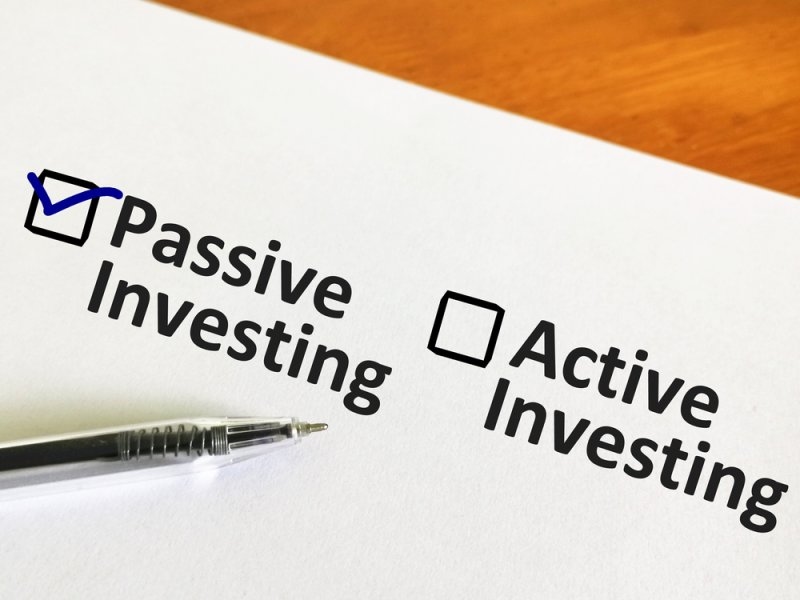
How a fund invests plays a big role in your costs and potential returns. Some funds use active management, where the manager picks and chooses what securities to buy and sell, and when. This is more common with mutual funds. The other way is passive investing, where the manager doesn't pick the investments but follows an index like the S&P 500. This is more common with ETFs, though sometimes ETFs are actively managed too. So usually, mutual funds are actively managed, and ETFs are passive. But these days, you can find actively managed ETFs and passively managed mutual funds.


This difference is important because it affects the returns you might get and the expense ratio you'll pay.


Conclusion

ETFs are often a better choice for investors because they offer tax advantages, low commissions, and easy trading. But for some situations, like stock index funds, mutual funds can be cheaper than ETFs, especially in tax-advantaged accounts. Either way, understand what your funds are invested in and how they help you reach your financial goals.

Read Next

What are the Core Principles of Bogle's Index Fund Strategy?
Articles

What are the Core Principles of Bogle's Index Fund Strategy?

Staring at stock charts all day is exhausting. Trying to guess which stock will explode next usually just stresses you out and tanks your returns. Worse, you end up handing a massive chunk of your cash to brokers in fees while completely missing the actual market growth. John Bogle completely changed how regular people approach their portfolios. He realized that trying to beat the market is a loser's game over the long run. Instead of hunting for the needle in the haystack, he suggested just buying the entire haystack. Bogle's Index fund strategy strips away the noise, the high management fees, and the constant buying and selling. Things You Must Know About Bogle's Index Fund StrategyKeep management fees extremely low.Never try timing the market.Hold your investments for decades.Ignore daily financial news noise.Automate your monthly fund contributions.What is the Bogle Index Fund Strategy?This approach is about completely ignoring the stock-picking game. Instead of hiring an expensive manager to guess which companies will perform best this year, you simply buy a fund that holds a tiny piece of every single company in a specific market. You are betting on the overall growth of the economy rather than the success of one single CEO or product launch.This method completely eliminates the risk of picking a failing business while simultaneously dropping your management fees to almost zero. You buy the fund, you hold it, and you let compound interest do the heavy lifting over several decades. It removes the emotional panic of daily trading and focuses strictly on long-term wealth creation.Must Read: Is Passive Investing the Best Strategy for Long-Term Wealth?Understanding the Core Principles of Bogle's Index Fund StrategyYou do not need a finance degree to make this work for your retirement. You just have to follow a few hard rules and ignore what everyone else is doing.1. Buy the Entire MarketStop trying to find the one stock that will triple in value. Just buy an S&P 500 or total market fund so you automatically own the winners.2. Keep Your Costs Dirt CheapEvery dollar you pay a broker is a dollar that isn't compounding for your future. Always hunt for the absolute lowest expense ratios available.3. Never Try to Time ItNo one actually knows when a crash is coming. Keep putting money in every single month regardless of what the news says.4. Stay the CourseWhen the market tanks by twenty percent, human nature screams at you to sell everything. The core principle here is to do absolutely nothing and wait for the recovery.Top Pick: Retail Investor Strategies Winning the Market in 20265 Best Investment Advice from John BogleBogle spent his entire life telling retail investors how to stop getting scammed by high-fee mutual funds. These are the foundational rules he preached to keep your money actually in your own pocket.1. Beware of the HelpersFinancial advisors are usually just salespeople trying to push you into expensive products that pay them a huge commission.2. Revert to the MeanThe hot tech fund that crushed it last year will eventually cool off and perform worse than average. Stop chasing past performance.3. Simplicity Always WinsYou do not need a complicated portfolio with fifty different exotic assets. A simple three-fund portfolio beats complex setups almost every time.4. Time is Your FriendStart as early as you possibly can. The math behind compound interest means a dollar invested in your twenties is worth way more than a dollar invested in your forties.5. Ignore the NoiseStop checking your stock app every day. The daily ups and downs are totally meaningless over a thirty-year horizon.How Bogle's Index Fund Strategy Simplifies Investment Planning?Building a retirement plan feels entirely overwhelming when you think you have to read corporate balance sheets. This method strips away all the hard work and lets you live your life.1. Zero Research RequiredYou never have to read an earnings report or watch a CEO interview. You own everything, so individual company news does not matter to you at all.2. Automated ContributionsYou just set up an automatic transfer from your checking account into the fund every payday. You literally do not have to think about it.3. Easy Portfolio RebalancingInstead of trying to juggle a bunch of random stocks, you only have to look at your account once a year to make sure your stock-to-bond ratio is right.4. No Tax StressBecause you are not actively day trading, you do not have to deal with a huge, complicated tax bill every single April.ConclusionAt the end of the day, skipping the complex trading strategies and just trusting the overall market fundamentally changes how you build wealth. Bogle's Index Fund Strategy takes the ego completely out of the equation. You accept that you cannot predict the future, and instead, you rely on the consistent, historical growth of the global economy. Frequently Asked QuestionsDoes the Bogle index fund strategy work during a major recession?Yes, and that is actually when it matters the most. During a recession, people panic and sell at a huge loss. The strategy dictates that you keep buying shares while they are cheap. Because you own the whole market, your portfolio will naturally recover when the overall economy eventually bounces back.How does this approach compare to buying real estate?Real estate requires a ton of upfront capital, constant maintenance, and dealing with bad tenants. Index funds require zero physical effort; you can start with fifty dollars, and the assets are completely liquid, meaning you can sell them instantly if you actually need the cash in an emergency.What is the Bogle index fund strategy regarding bonds?While he heavily favored stocks for growth, he recommended holding a percentage of your portfolio in high-quality bond index funds to smooth out the ride. As you get older and closer to retirement, you slowly increase your bond holdings, so a sudden market crash doesn't wipe out your savings right before you need to live on them.

Is Passive Investing the Best Strategy for Long-Term Wealth?
Articles

Is Passive Investing the Best Strategy for Long-Term Wealth?

Quick TakeawaysPassive investing is about playing the long game. You're not looking for overnight success or glued to a screen making trades all day. Most beginners stick with index funds or ETFs-they're simple and effective. Honestly, fees matter. The less you shell out, the more you get to keep as your money grows. Plus, when you aren't constantly checking your account, it's a lot easier to keep your cool and stay away from knee-jerk decisions.A broad mix of investments spreads out your risk and lets you ride the market's overall growth.Passive investing has earned the trust of new and experienced investors because it actually works over the long haul. Instead of trying to outsmart the market with constant trades, people who invest passively stick their money in funds designed to track the market as a whole. And the data doesn't lie: research from S&P Dow Jones shows that, after you factor in fees, most actively managed funds don't beat their benchmarks. That's why more people are choosing the simpler route.If you've ever worried that investing is too complicated, you're not alone. The secret is that you don't need to predict what's next-patience usually wins. Here's a look at how passive investing works, how it compares to the active approach, the ins and outs of index funds, passive vs active fund investing performance, key benefits and risks, and what it actually takes to build a passive portfolio you can stick with for the long run.What is Passive Investing? The beauty of passive investing is the simplicity-all you have to do is match the market, not beat it. People buy diversified funds-like index mutual funds or ETFs-and hold onto them for years rather than jumping in and out. Here's what those usually look like:Index mutual fundsETFs (Exchange-Traded Funds)Broad market index fundsTarget-date retirement fundsBecause these funds just follow an index, they don't cost much to manage. That means you pay less in fees, so more of your money stays invested.Try This: Why Insurance is Essential in a Diversified Portfolio PlanWhy is Passive Investing so Popular? The main reason? It takes a huge weight off your shoulders. Forget daily stress and second-guessing the market; it's all about steady, long-term growth. The main benefits: Lower fees to invest Instant portfolio diversity Minimal management Emotion-free investing A strategy you'll actually stick to. It's suitable for newbies and old hands alike.Active vs Passive Investing Active and passive investing are both methods to grow your wealth, but each approach takes a different road to get there. Passive investing means trying to match the market-not beat it. Active investing means trying to outperform the market by making frequent trades. And naturally, passive has lower fees.Passive portfolios are generally more diversified, while active ones depend on the manager's picks.Passive investing takes less of your time.While the debate goes on, plenty of research shows that most actively managed funds struggle to keep up with simple index funds, especially after fees erode returns over the years.Understanding an Index Fund Passive Strategy With passive investing, most people choose funds that track major market indexes:S&P 500 Index Funds: They own hundreds of America's biggest companies, giving you diversification in a single move.Total Stock Market Funds: A sweep of thousands of stocks-small, big, and everything in between.International Index Funds: Want to avoid putting all your eggs in one economy? These funds add global exposure, which helps smooth out risk.How to Build a Long-Term Passive Portfolio?You don't need a fancy finance degree to get started. Here's how you do it:1. Set Your Financial Goals   What are you aiming for-retirement, a house, college for your kids, or just growing your net worth? Your goal shapes your timeline and choices.2. Pick Diversified Funds   Rather than betting on a handful of stocks, pick broad-market index funds. That's diversification, and it helps lower risk.3. Invest Regularly   Put in money every month, no matter what the market's doing. This "dollar-cost averaging" approach smooths out the market's normal ups and downs.4. Rebalance When Needed   Once a year, check that your portfolio still matches your goals and risk level. Adjust only if you need to - don't overthink it.What about Passive Income Investing?People sometimes mix up "passive investing" with "passive income investing." They're not the same.Passive investing is about growing your money over the years by tracking the market.Passive income investing is all about investments that pay out regularly, like dividends or rent. For example: dividend stocks, REITs (real estate funds), bond funds, or rental properties.A lot of folks mix both approaches for a solid plan that builds wealth and regular cash flow.Pros and Cons of Passive InvestingNo investment style is perfect. Here's what passive investing means: PROS Lower expense ratios (than active trading) Access to many companies Good tax efficiency Minimal effort required Passive investors do not take emotions out of their portfolio CONS Not good at outperforming the market Lack of flexibility When the market dips, you still feel painYou lose control Unable to avoid benchmark holdings You are likely to miss opportunities. "Now you can know both sides of the coin. Now you know that it can work and that it can make mistakes you shouldn't commit. Now you know what the best strategy for investing is that can ensure maximum returns without many risks involved." Common Mistakes Passive Investors Make Passive Investing is not as easy as it seems Here are slip-ups to avoid:Trying to "time" the marketSelling when headlines turn scarySkipping diversificationJumping between funds too oftenExpecting overnight resultsInvesting without a goalThe best results come from hanging in there and ignoring the noise.ConclusionPeople trust passive investing for a reason: it's straightforward and works well over long stretches. You're not glued to market news or making snap decisions. Instead, you buy into solid index funds, let compounding do its job, and keep costs down. There's no magic formula, but decades of research show that staying in the market, diversifying, and keeping fees low tilt the odds in your favor. Whether you want retirement security, help paying for college, or freedom down the road, passive investing is a path anyone can follow. Start with a clear goal, invest regularly, review once in a while, and don't let headlines shake your confidence. Tiny decisions compound into real wealth over time.Start Building Wealth With ConfidenceYou don't need to predict what happens next in the market. What you need is a plan you believe in-and the discipline to keep going. Figure out your goals, choose solid diversified investments, and stick around for the ride. The earlier you start, the more your money grows over the long run.FAQsIs Passive Investing Still a Good Idea During Market Downturns?Yes. Passive investing is built to ride out the full cycle, good years and bad. Market drops are part of the deal, and folks who keep investing - even when it hurts - are in the best position when things recover.Can Beginners Start Passive Investing With Just a Little Money?Definitely. Many brokers let you start small, even with fractional shares. You don't need a fortune-just consistency. Small, regular investments can add up fast, thanks to compounding.How Often Should I Review My Passive Portfolio?Once or twice a year is plenty. Check that your mix of investments fits your goals and risk comfort. Ignore the urge to react to every market move-too many changes mess with the magic of long-term investing.

Why Insurance is Essential in a Diversified Portfolio Plan
Articles

Why Insurance is Essential in a Diversified Portfolio Plan

Building a massive diversified portfolio without an aggressive insurance strategy is a complete financial disaster waiting to happen. You cannot survive catastrophic medical bills, sudden disability, or massive lawsuits using just stock dividends. If you want to build unbreakable wealth, you must weaponize insurance immediately to protect your liquid assets from sudden, total destruction.What is Portfolio Diversification?A true portfolio diversification strategy is not just buying a random handful of tech stocks and hoping the market stays green. It is the ruthless, calculated distribution of your capital across completely different asset classes-equities, fixed income, real estate, and hard commodities. You build this structural wall so that when one specific sector completely collapses, your entire net worth does not evaporate overnight.Why Risk Management is Essential for InvestorsThe need for risk management for investors is explained in the following list:1. Preventing forced asset liquidation during crashesIf a major medical emergency hits, you need massive cash immediately. Without a proper defensive strategy, you will be forced to sell off your high-value stocks right in the middle of a brutal market crash. This locks in massive, permanent losses. Proper risk control provides instant liquid capital, completely blocking you from selling your premium assets at the worst possible time.2. Neutralizing the extreme sequence of returns riskPulling heavy cash out of a bleeding portfolio early in your retirement will mathematically destroy your long-term wealth. Aggressive risk mitigation creates a secondary buffer of cash flow. This completely protects your core investments, giving the market time to recover without you constantly draining your principal just to survive.3. Building an unbreakable psychological fortressWhen you know your downside is mathematically capped by a separate safety net, you stop panicking. You stop panic-selling your assets during a temporary market correction. Solid risk control gives you the psychological dominance to hold your positions and execute your long-term strategy while amateur investors completely lose their minds and liquidate everything.The Role of Insurance in Long-Term Financial PlanningTreating insurance like a basic monthly expense instead of a strategic financial weapon is a massive mistake. Here is exactly how insurance drives your long-term financial planning and helps in portfolio management.1. Creating instant and tax-free capital liquidityWhen a catastrophe hits, you cannot wait weeks to sell real estate or face massive capital gains taxes by liquidating heavily appreciated stock. An aggressive insurance contract delivers a massive, immediate injection of tax-free cash directly into your bank account. It acts as an absolute financial firewall, keeping your core investment portfolio completely untouched while you handle the emergency.2. Executing seamless multi-generational wealth transferThe government will aggressively try to tax your estate the second you die. Wealthy investors weaponize permanent life insurance to instantly generate the exact liquidity needed to pay massive estate taxes. This guarantees your heirs receive your hard assets, real estate, and business holdings completely intact, rather than being forced into a fire sale just to pay off the IRS.3. Locking down guaranteed alternative growth streamsStandard market investments are inherently volatile. High-level permanent insurance policies build aggressive cash value that grows on a strict, tax-deferred basis, completely detached from stock market crashes. You can borrow against this massive pool of capital tax-free to fund real estate deals or float your lifestyle during a massive market recession.Understanding the Types of Insurance That Support Wealth ProtectionYou need to build a specialized defensive wall. Here are the exact insurance weapons you must deploy for total wealth protection.1. Massive term and permanent life insuranceTerm insurance acts as an aggressive, cheap shield to replace your massive earning power if you die unexpectedly. Permanent life insurance acts as a heavily fortified secondary asset class. It guarantees a massive tax-free death benefit while simultaneously building an unbreakable, tax-deferred cash reserve that you can leverage while you are still alive.2. Aggressive high-limit disability coverageYour ability to generate massive income is your single most valuable asset. If a sudden injury takes you out of the workforce, your investment contributions drop to zero instantly. High-limit disability insurance aggressively replaces your monthly cash flow, guaranteeing your investment accounts continue to grow even if you are physically incapable of working for years.3. High-tier personal umbrella liability policiesAs your net worth scales, you become a massive target for predatory lawsuits. One car accident or property dispute can result in a catastrophic legal judgment that wipes out your brokerage accounts. A massive umbrella policy throws millions of dollars of legal defense and liability coverage between a predatory lawyer and your hard-earned investments.Insurance and Investing: Balancing Growth Investments and Financial ProtectionYou cannot just play offense. If you want to survive, you must ruthlessly balance aggressive insurance and investing.1. Funding massive growth with protected baselinesWhen you have a massive insurance safety net sitting underneath you, you can take significantly more aggressive risks with your core portfolio. You do not need to hoard millions of dollars in low-yield cash accounts for emergencies. You can deploy that capital directly into high-growth tech equities or aggressive real estate syndications because your downside is already completely covered.2. Isolating unique idiosyncratic risks instantlyStock market diversification only protects you from specific corporate failures. It does absolutely nothing to protect you from a massive personal health crisis or a house fire. You must use insurance contracts to completely isolate and transfer these hyper-personal risks to a massive financial institution to secure your investment portfolio.3. Creating tax-efficient retirement buffersPulling money from traditional taxable accounts during a bear market destroys wealth. You can aggressively balance your strategy by using the cash value of a permanent insurance policy as a tax-free volatility buffer.ConclusionStop acting like your stock portfolio makes you financially invincible. If you do not have a massive, aggressive insurance strategy locked into your diversified portfolio, a single medical emergency or lawsuit will completely obliterate everything you have built. You must stop guessing with your future and start treating insurance as an offensive financial weapon.Frequently Asked QuestionsHow does inflation impact the cash allocation within a diversified portfolio?Inflation aggressively erodes the purchasing power of idle cash over time. Investors must continuously adjust their fixed-income and cash-equivalent allocations to ensure the portfolio yield outpaces rising consumer costs without taking on extreme speculative risks that threaten the core principle.Do international equities create currency risk within a diversified portfolio?Yes. When holding foreign assets, the fluctuating exchange rates between global currencies can significantly alter the total return. Portfolio managers often utilize specialized hedging instruments to neutralize currency volatility and protect the baseline performance of international investments from sudden international market shocks.Can alternative investments alter the liquidity profile of a diversified portfolio?Absolutely. Integrating private equity, venture capital, or direct real estate holdings significantly reduces overall portfolio liquidity. Investors must heavily analyze their capital lock-up periods to ensure they maintain enough liquid assets to execute standard operational trades and rebalancing maneuvers without facing forced liquidation penalties.

How to Spot Cryptocurrency Scams to Avoid Financial Losses?
Articles

How to Spot Cryptocurrency Scams to Avoid Financial Losses?

The worst thing you can do is to assume that your online investments are completely protected against all forms of scammers by using basic passwords. This is because things have changed in the current financial environment, and new strategies of cyberattacks are being developed at an alarming rate. The only way to protect your portfolio is by being aware of the reality of cryptocurrency scams.Must Read: Blockchain vs Cryptocurrency: Key Differences for InvestorsHow to Spot Cryptocurrency Scams?You can read the following points to understand how to spot cryptocurrency scams:1. Guarantees of high returnsScammers often promise massive, guaranteed profits with zero risk involved. In the volatile crypto market, any promise of guaranteed returns is a clear sign of fraud.2. Unsolicited investment offersIf someone contacts you out of nowhere on social media or messaging apps with an investment opportunity, it is likely a scam. Legitimate financial institutions do not reach out to random users with urgent crypto deals.3. Pressure to act immediatelyFraudsters create a false sense of urgency to prevent you from researching their claims. They will claim that the opportunity will disappear in minutes if you do not transfer funds immediately.4. Poorly written whitepapersA valid project should include a well-documented technical white paper demonstrating the project's functionality. Most scams come with whitepapers riddled with grammatical mistakes or even containing plagiarized content from another project.5. Requests for private keysThere is no legit support or exchange that would ever ask you for your wallet's private keys or seed phrase. By providing such information, you grant scammers full access to your funds.6. Untraceable team membersThe team members of fraudulent projects are always anonymous. The founders may also provide stock images of their team members, making it impossible for the investor to verify whether the team members are credible and professional.7. Complex withdrawal processesScam platforms will make the deposit process extremely easy, but withdrawing the money will be very difficult. The platforms will always demand additional fees or taxes before you can get your funds.8. Fake celebrity endorsementsThe scammers will create fake quotes and images of celebrities in order to promote their fake tokens. This is done in an attempt to fool new investors into buying worthless tokens.Top Pick: Valuable ETF Investing Strategies USA Investors Need to KnowUnderstanding the Implications of Crypto ScamsYou can check below to understand the implications of crypto scams:1. Permanent loss of financial assetsThe decentralized nature of the blockchain makes it very difficult to recover lost funds. After a transaction is made through the platform, victims lack the appropriate authority to seek a refund.2. Severe emotional and psychological distressFor someone to lose all his/her life savings through fraud can be psychologically damaging in many ways. Most victims go through a lot of stress, depression, and a total lack of trust in online finance.3. Identity theft and data exploitationMost fraud sites require users to provide personal details and identity in the form of documentation. This information is used by criminals to open unwanted credit accounts or to sell the information online.4. Regulatory crackdowns on legitimate projectsThe growing volume of fraud is driving tougher regulations from government agencies, affecting the entire sector. It discourages innovation and makes it difficult for honest blockchain companies to operate and raise capital.5. Erosion of public market confidenceAs large-scale scams hit the headlines, retail investors lose their fear of investing in digital assets. This fear affects market liquidity and hinders the implementation of crypto technologies worldwide.List of Fake Crypto Exchanges that Investors Must AvoidThe list of fake crypto exchanges that investors must avoid is listed below:1. BitKRXThe website portrayed itself as an affiliate of a legitimate South Korean financial firm to attract customers' trust. The operation was a fraud that stole all the investors' money and then shut down its servers.2. ThodexThe exchange ran well until the owner absconded, leaving behind thousands of users unable to access their accounts. It led to the loss of billions of dollars of virtual currency and lawsuits.3. AfricryptThis company is based in South Africa and was founded by two brothers who pulled off a massive fraud. They pulled off an alleged hack to cover their tracks and disappeared with billions of dollars' worth of Bitcoin.4. QuadrigaCXThis Canadian platform functioned as a massive Ponzi scheme masked as a legitimate trading exchange. When the founder allegedly died under mysterious circumstances, investigators discovered that the cold wallets were entirely empty.5. FCoinThis exchange used a controversial transaction fee mining model to artificially inflate its daily trading volumes. The platform eventually collapsed after revealing an insolvency issue that permanently trapped hundreds of millions of user funds.How Crypto Romance Scams are Becoming a Common Thing?The reasons why crypto romance scams are becoming a common thing are explained in the following:1. Exploiting emotional vulnerabilityScammers target lonely individuals on dating apps and spend months building deep emotional connections. Once trust is established, they manipulate the victim into investing in fake digital asset platforms.2. The illusion of shared financial successFraudsters often pose as wealthy crypto traders who want to help their new romantic partner achieve financial freedom. They guide victims through the process of making initial deposits on rigged trading websites.3. Fake profits and delayed withdrawalsSuch scams promise false gains to convince the victim to invest even more money. Once the victim tries to withdraw their funds, the criminal disappears, and the account is locked from the website forever.4. Global reach of social mediaThrough dating and social networking websites, criminals can reach millions of potential victims worldwide.5. Normalizing fraudulent behaviorBecause the contacts seem so legitimate, the victims try to defend the scammers against concerned relatives and friends. Such psychological techniques isolate the person and ensure the scam will continue for many months.ConclusionIt goes without saying that no investor can take the protection of their digital assets lightly. In today's financial landscape, the assumption that all online trading platforms are legitimate will prove one of the costliest assumptions the investor will make. The reality is that the increase in the prevalence of crypto romance scams and phishing network scams makes this era more risky than any other before it.Frequently Asked Questions1. What methods do law enforcement agencies use to track stolen digital assets?The use of sophisticated blockchain analysis techniques allows investigators to trace the money trails on public blockchains. Through tracking transaction records, authorities are able to trace back the exact wallets and off-ramp services used by criminal groups.2. Are cryptocurrency transactions protected by government insurance programs?No. Unlike regular bank deposits, digital currency is not covered by federal deposit insurance. In case one loses money because of fraudulent activities, there is no governmental backup that will restore lost funds.3. How do smart contract vulnerabilities contribute to digital asset theft?Cybercriminals exploit poorly written code within decentralized applications to drain funds directly from liquidity pools. These technical loopholes allow attackers to bypass standard security measures and execute unauthorized transactions without needing the victim's permission.

Ask stocky