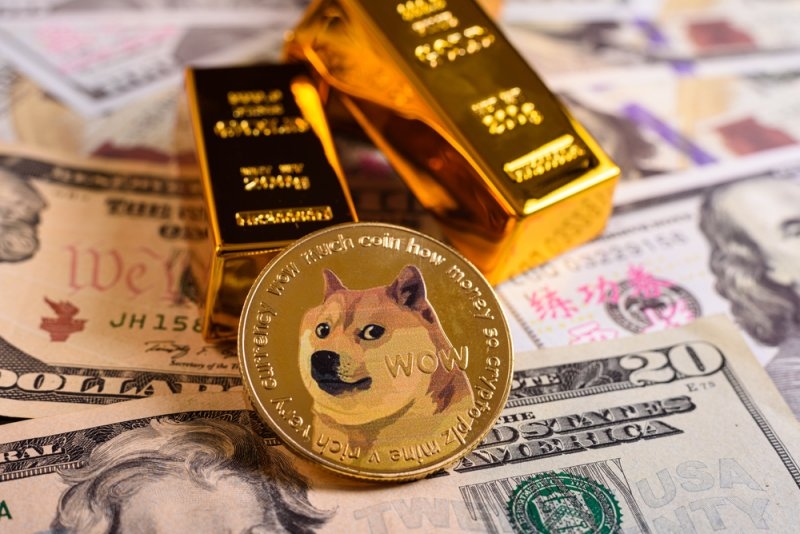
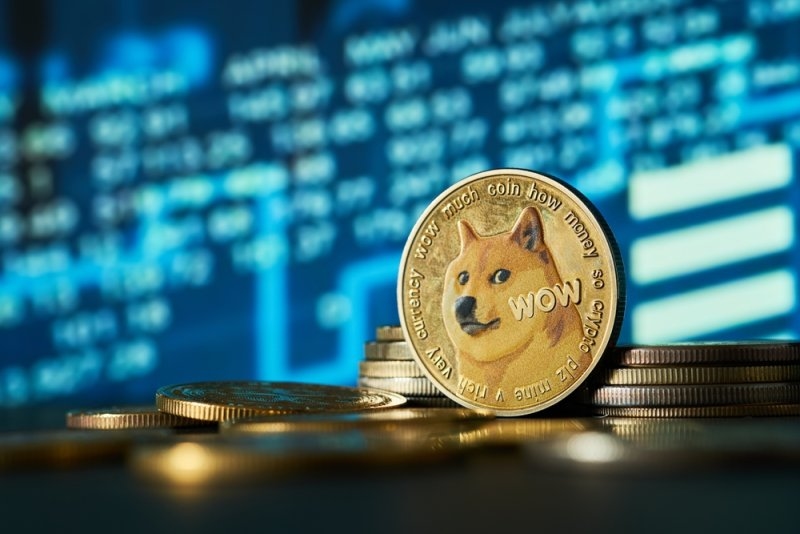
Dogecoin (DOGE) has one of the weirdest stories in crypto. It kicked off in 2013 as a joke, born from the Shiba Inu meme everyone knows. Somehow, it took off anyway. Now, there’s a whole community around it, and you can actually use DOGE to buy stuff or tip other users.
The background is definitely entertaining, but don’t let hype replace homework. Prices in crypto move fast, and the SEC keeps warning that these investments are risky and unpredictable.
Whether you’re curious about what Dogecoin (DOGE) is, how it works, or how to buy it, this guide’s here to lay it out simply. You’ll get the details on how DOGE operates, where you can buy it, what to look for in an exchange, and what to watch out for before putting your money in.
Dogecoin is an open-source, peer-to-peer cryptocurrency that runs on its own blockchain. That blockchain is basically a public record, kept up by a spread-out network of computers called nodes.
Billy Markus and Jackson Palmer created it back in 2013, not expecting much. Still, the thing actually grew into a real cryptocurrency for payments, tipping people online, and other community-led uses. What sets DOGE apart is that there’s no single company or bank in charge—transactions happen through the network itself, not a central party.
To maintain security, Dogecoin uses a PoW (Proof of Work) mechanism. In other words, new blocks are mined using computers by solving complex calculations
DOGE uses the Scrypt algorithm for its PoW system, and it even supports “merged mining” with Litecoin, which means miners can work on both networks at once.
If you want the basic idea:
The whole idea is you can move Dogecoin (DOGE) around without needing to trust some middleman.
Before you jump into buying DOGE, you have to know where trades happen.
Centralized exchanges are run by companies. You set up an account, verify your identity, and deposit some money. They’re usually straightforward for beginners, but you definitely need to check their fees, withdrawal limits, security policies, and what laws they follow.
On a DEX, exchanges are hands-off—no single company at the top. You swap your coins or other digital assets right from your wallet using blockchain technology and smart contracts, which makes you more in control while not being too beginner-friendly to use. Plus, there’s more to learn about wallet security and transaction fees.
Must Try: A Comprehensive Guide To Cryptocurrency & Its Functions
There are a few ways to buy Dogecoin (DOGE), but in practice, the steps are pretty simple:
Take time to research what the exchanges you think are reputable are, in terms of being reliable, having accessible payments, coins listed, etc etc. The fees, etc. If they talk about you making guaranteed 10x the value, don’t pay it any attention.
Sign up and go through their verification steps—you’ll probably need to upload ID and some personal info. Turn on multifactor authentication if you can. This shuts down a lot of hacking attempts.
The majority of exchanges allow deposits through wire transfer or credit card/debit card and other forms. Check what they charge for deposits and withdrawals. Sometimes low trading fees sound good, but the rest of their fees might eat into your money.
Find DOGE on their list and pick your order type. Market orders buy at the going rate. Limit orders let you set the price you’re willing to pay. Double-check the total cost before hitting confirm.
After you buy, think about how you want to store your DOGE. Most crypto wallets just help you control your private keys—they don’t actually store coins inside them. Never share your private keys or recovery phrase. If someone else gets those, they control your DOGE.
There’s a lot to like about Dogecoin—the community is fun, it’s easy to understand, and you’ll find plenty of people using it. That said, it’s still a risky investment.
The SEC states the risks associated with crypto markets are market instability, liquidity issues, cyberattacks, fraud, and a lack of investor protections.
Before you hit “buy,” ask yourself:
The general rule: do the research first. The SEC’s Investor.gov repeats this advice for a reason—understand what you’re getting into before risking your money.
Try This: Why are Wrench Attacks Rising in the World of Crypto Wealth?
Dogecoin’s come a long way from its meme roots to being a real player in the crypto world. If you want to really understand DOGE, you have to look past the jokes—its blockchain design, proof-of-work mechanism, mining process, and peer-to-peer nature all matter.
If you’re considering picking up some DOGE, here’s the process: choose a trustworthy exchange, look at the fees and security, fund your account, place your order, and secure your coins. And remember—the biggest risk in crypto is thinking you can’t lose. Prices swing, and no one can promise you’ll make a profit. So, do your homework. Look around, protect your account, and only invest what fits your financial life—not what the crowd’s hyping up. Sites like stockprices.com can help keep you up to date on trends and facts. Take it slow if you’re new. Secure your assets. Ignore the FOMO—let facts, not hype, decide your next step.
Dogecoin is easy to find and supported by lots of exchanges, which makes it appealing for beginners. But that doesn’t make it safe. Its price jumps around a lot. Make sure you understand how crypto works, check your risk tolerance, research the platform, and only put in money you can afford to lose.
Absolutely. Most platforms let you buy less than one DOGE—the minimum just depends on the exchange’s rules. So, you don’t need enough money for a whole coin. Just make sure you check their minimum purchase amount, fees, and withdrawal requirements before you buy.
No. Both coins exist as a whole and have their unique backstories, codesigns, circulating volumes, and communities, which are different too. As an example, the proof-of-work protocol for Dogecoin is Scrypt, while for Bitcoin the algorithm will differ; thus, these two cannot be used to substitute each other.
Yes, you can pay with DOGE where applicable. The payment will be processed through the dogecoin network and will bypass banks, etc. However, it's not widely available—check the terms of the seller, their transaction fees, and any legal/tax laws in your country before you commit to paying with DOGE.
In terms of Dogecoin's actual price, it's incredibly unstable and influenced by factors such as market demand, overall investor sentiment about crypto, trading activity, new developments, attention on social media, and larger economic events impacting the markets as a whole. As investor sentiment changes, price also fluctuates quite dramatically, and past performance never guarantees any future prices.