Wild charts wreck normal accounts fast. Sticking to a blind buy-and-hold strategy during a major panic is financial suicide. Years of slow gains vanish in one morning gap down. Real traders adapt to the chop instead of whining online. Hitting a quick swing trade lets you actually weaponize that volatility.
In this blog, you will find out everything about swing trading and find out the best strategies during volatile markets. It will also explain the major differences between swing trading and day trading.
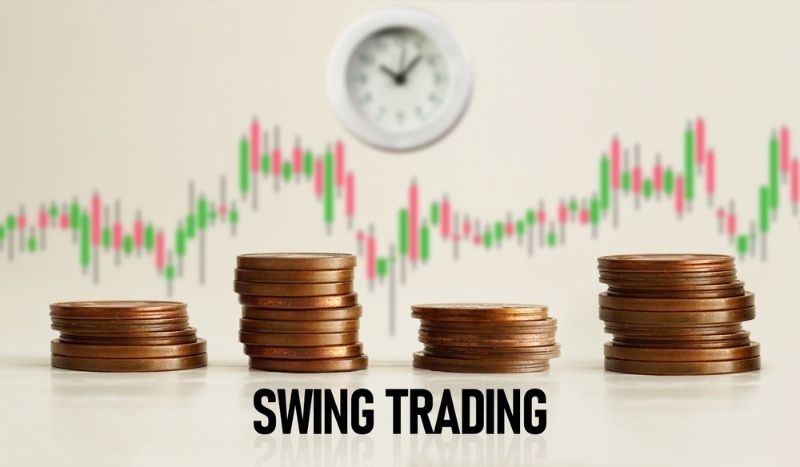
Holding a position overnight separates this method from daily scalping. Active participants look to capture short-term price moves within larger trends. A typical trade lasts anywhere from two days to several weeks. Staring at the monitor every single second is completely unnecessary here.
The main goal involves grabbing a chunk of an anticipated price move. Waiting for the absolute top or exact bottom usually results in complete failure. Good operators take their planned profit and walk away clean. Reading technical charts dictates exactly when to enter the chaos.
Checking the Relative Strength Index prevents buying an overbought asset blindly. The MACD indicator visually proves when the bears finally lose control of the tape. Fundamental news provides the fuel for these multi-day price explosions. Leaving money in the market for years exposes capital to random black swan events. Grabbing quick momentum shifts removes that long-term danger entirely.
Watch the trend lines closely. Institutional money always leaves footprints on the moving averages long before retail catches on. A hard stop loss saves your neck when a setup inevitably fails. Swinging positions over a few days keeps you out of the daily chop while still giving you enough action. Sitting on your hands pays off. Let the day-trading addicts gamble on every single tick.
Top Pick: Volatility ETF Basics Every Investor Should Know First
Chaos creates incredible chances for prepared individuals. Blind gambling ruins lives when prices flip rapidly. Review these specific swing trading strategies to survive the storm:
Waiting for a clear direction saves massive amounts of capital immediately. Jumping in front of a falling asset just destroys the trading account. Smart players wait for the bounce to confirm the new upward path. Buying the confirmed dip works way better than guessing the absolute bottom.
Heavy resistance levels eventually snap under serious buying pressure. Price charts explode upward once the invisible ceiling finally breaks. Setting entry orders slightly above the resistance line catches the sudden violence. Massive volume must support the break to avoid a fakeout trap.
Simple lines on a screen reveal deep market psychology perfectly. A short-term average crossing above a long-term line signals a heavy momentum shift. Algorithms track these exact crosses to execute massive institutional buys daily. Riding the coattails of big money guarantees smoother profit-taking.
Assets never travel in a perfectly straight line forever. Prices pull back naturally after a big and sudden rally upwards. Traders calculate specific percentage drops to find the next logical launchpad. Buying these hidden support levels offers excellent risk management protocols.
Prices often bounce between two invisible parallel lines for weeks. Volatile assets love testing the upper and lower boundaries repeatedly. Buying the bottom floor and selling the top floor creates easy, repetitive wins. Breaking the channel invalidates the current setup entirely.
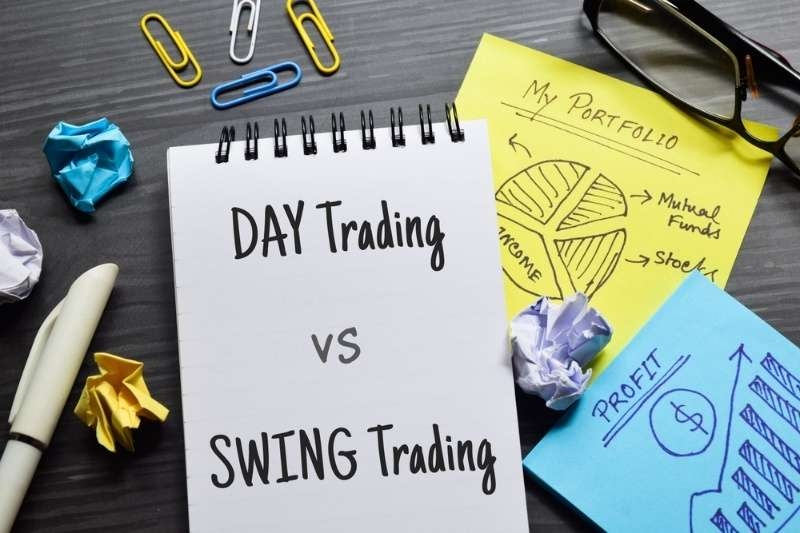
Many beginners confuse these two completely different battlefield tactics. Choosing the wrong weapon ruins your mental health quickly. Read the breakdown below to understand swing trading vs. day trading:
Daily scalpers stare at flashing numbers for eight brutal hours straight. Bathroom breaks literally cost them thousands of dollars in missed moves. Multi-day positions allow participants to keep their normal jobs easily. Checking the charts once after dinner takes twenty minutes max.
Random computer algorithms manipulate minute-by-minute prices constantly. Daily players fight invisible robots just to scrape tiny profits together. Longer timeframes filter out the fake intraday noise completely. Daily charts show the actual trend without the random midday manipulation.
Government rules force daily pattern traders to hold massive account balances. Small accounts get locked out of high-frequency action entirely. Multi-day strategies require absolutely zero special margin rules to execute. Regular people can start building wealth with very basic capital amounts.
Watching a five-minute chart drop causes immediate panic attacks. Daily participants burn out mentally within a few short months. Holding positions for weeks requires cold patience and zero human emotion. Setting automated profit targets removes the nervous biological element completely.
Daily traders hunt for tiny fractional percentage gains constantly. Taking heavy leverage makes those tiny wins somewhat noticeable eventually. Longer holds aim for massive ten or twenty percent swings. Catching a heavy precious metal rally pays the mortgage without utilizing insane leverage.
Surviving wild financial conditions requires a cold, mathematical approach, always. Holding blind hope destroys wealth faster than anything else globally. Implementing swing trading protects your sanity while exploiting emotional market drops perfectly. The swing trading strategies discussed above provide a rigid framework for unpredictable weeks ahead.
Holding a financial asset for several days or weeks defines this exact style perfectly. The core goal requires capturing a significant piece of a larger momentum shift. Participants ignore minute-by-minute noise to focus on the broader daily chart patterns. This approach perfectly balances active market participation with normal daily life.
Play the channel bounces and wait for the hard breakouts. That is how you actually survive a choppy market. Stop buying the absolute top. Find a real floor first. Let the moving averages cross so you know the trend shifted before throwing your cash at the screen. Above all else, set a hard stop-loss. Trading without one just wipes your account.
Daily scalping creates hundreds of complicated taxable events every single week. Accountants charge massive fees to process that absolute nightmare paperwork. Multi-day holds generate far fewer transactions per month overall. Simplified trading records keep the yearly tax season extremely stress-free.