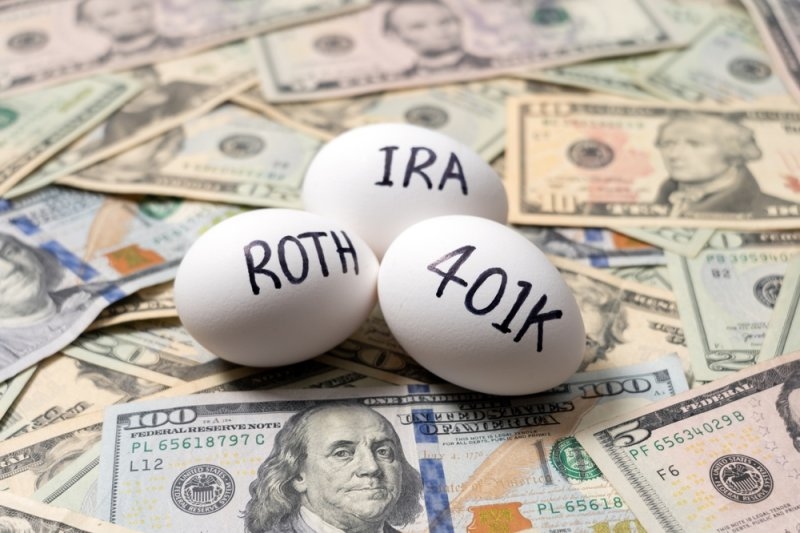
Watching a dynamic young company make its stock market debut creates immense excitement for retail investors seeking high-growth opportunities. Getting started with IPO investing allows everyday market participants to purchase shares of private companies as they transition into publicly traded corporations. According to market intelligence data from Renaissance Capital, initial public offerings raise over $100 billion in capital globally each year, giving investors early access to industry innovators.
However, jumping into public debuts without analyzing company fundamentals exposes your capital to significant market volatility. While successful public offerings generate huge wealth, hype-driven buying often leads to steep early trading losses. In this complete beginner guide inspired by CIBC Investor's Edge, we will explore core IPO mechanics, detail step-by-step participation processes, analyze key investment risks, review prospectus evaluation strategies, and answer your top investing questions.
IPO investing refers to purchasing shares of a company when it undergoes an Initial Public Offering (IPO), transitioning from a privately held entity into a publicly traded corporation. During this milestone event, the company issues new or existing equity shares to the public on a major stock exchange for the very first time.
For investors, participating in an IPO offers a ground-floor opportunity to own equity in expanding businesses before they mature. However, because newly listed companies lack long-term public trading histories, buying IPO shares requires careful analysis of corporate prospectuses, valuation metrics, and broader market sentiment.
Understanding IPO investment risks protects your capital against speculative price bubbles and unexpected market downturns:
Must Try: Stock Market Trends 2026: Smart Strategies For Investors

Learning how to start investing in IPOs for beginners requires understanding how initial shares are priced and allocated before trading begins:
Following this structured process ensures you navigate how to invest in IPOs safely and systematically.
Evaluating the pros and cons of investing in IPOs helps balanced investors weigh potential gains against early market risks:
| Investment Advantage | Market Risk Factor |
| Early Stage Growth Potential | Limited public financial operating history |
| Ground-Floor Pricing Opportunities | High initial price volatility during opening weeks |
| Portfolio Sector Diversification | Potential insider lock-up period selling pressure |
| Institutional Backing Confidence | Hype-driven overvaluation risks at launch |
Knowing how to evaluate a company's IPO before investing ensures you separate quality businesses from temporary market hypes:
Mastering what to check before investing in an IPO helps you spot enduring market leaders early.
Learning how to decide if an IPO is worth investing in requires assessing current market conditions alongside individual company valuation metrics.
During bullish economic cycles, market sentiment often inflates valuation multiples far beyond reasonable fundamental levels. Comparing a debut company's price-to-sales or price-to-earnings ratios against established industry peers reveals whether the stock carries a fair valuation.
Investors interested in investing in IPO stocks can also consider waiting until after the first quarterly earnings report. Observing how management delivers on guidance in the public eye provides valuable clarity before committing capital.
Understanding how to invest in an IPO before it goes public involves acquiring pre-IPO shares or participating through primary brokerage allocations.
Primary share allocations are distributed through lead underwriting investment banks to institutional clients and eligible retail brokerage partners. Retail investors who meet specific account balance requirements can submit indications of interest directly through participating trading platforms before the final offer price is set. Mastering IPO investing for beginners builds a foundation for long-term wealth creation.
Essential Reads: How Stock Investment Strategies Help in Making Better Moves?
Navigating IPO investing offers an exciting gateway to participate in corporate growth stories right as companies enter public equity markets. Throughout this comprehensive investment guide, we defined core IPO concepts, detailed key investment risk factors, outlined step-by-step participation workflows, weighed strategic pros and cons, and detailed prospectus evaluation techniques. While public debuts offer early growth exposure, maintaining disciplined risk controls protects your capital from hype-driven volatility.
Taking time to analyze balance sheets, evaluate competitive moats, and track lock-up expiration dates ensures your investment decisions remain grounded in sound fundamental analysis. Realizing long-term financial independence requires building a diversified portfolio anchored by thoroughly researched, high-quality companies.
Are you ready to track real-time stock quotes, analyze market trends, and make informed equity investments with total confidence? Connect with market analytics tools today to elevate your trading strategy!
The minimum investment required to participate in an IPO depends entirely on your brokerage platform's specific rules. While traditional underwriting banks often require high account balances, modern online brokers allow retail clients to request allocations starting at just a few hundred dollars per offering.
Investment banks serve as underwriters to facilitate the public transition. Underwriters evaluate company financials, handle regulatory SEC filings, conduct global investor roadshows, establish initial price ranges based on institutional demand, and stabilize early trading prices once public market transactions commence.
An S-1 registration statement is a mandatory SEC filing required for US companies entering public markets. It provides comprehensive financial data, operational risk factors, corporate ownership structures, executive compensation, and explicit details regarding how the company intends to utilize funds raised from the offering.
IPO stock prices decline below their offer price when initial public demand falls short of underwriter expectations. Overambitious initial pricing, broader stock market downturns, negative industry news, or weak institutional order books can cause immediate selling pressure when public trading begins on exchange floors.
In a traditional IPO, new shares are created, underwritten by investment banks, and sold to raise fresh capital. In a direct listing, existing shareholders and insiders sell current shares directly to the public on the stock exchange without intermediate underwriters or new capital creation.