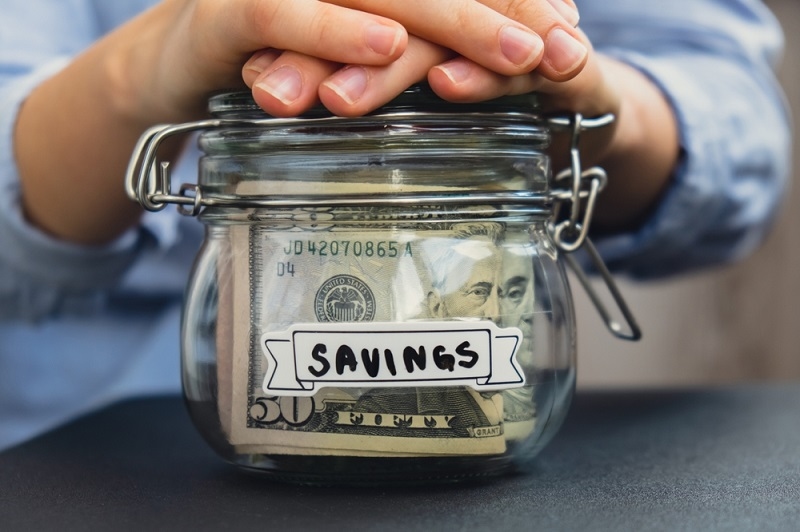
Most people do not struggle with saving because they do not earn enough. They struggle because saving depends on memory, timing, and leftover money. Some months it works. Most months it does not.
Automated savings fixes that problem by removing the decision altogether. Once money moves on its own, saving stops competing with rent, groceries, or impulse spending. It just happens.
This guide explains how to automate your savings in a way that actually fits real life, not ideal budgets.
What is automated savings? It is a setup where money is moved into savings automatically without you doing anything after the initial setup.
That transfer can happen weekly, biweekly, or monthly. It can go into a savings account, a retirement account, or even an investment account. The important part is that it runs on a schedule, not on motivation.
Automated savings works because it flips the usual pattern. Instead of saving what is left after spending, you spend what is left after saving.
Must Read: Set Smart Financial Goals Before Investing for Success

Manual saving depends on timing and discipline. Automated savings depends on systems.
When you automate savings:
For example, if $200 leaves your account the day you get paid, your budget naturally adjusts around what remains. That adjustment happens faster than trying to save whatever is left at the end of the month.
This is why automated savings tends to work even for people who say they are bad at saving.
This is where most articles get vague. The steps below are practical and simple.
Do not automate blindly. Decide what the money is for.
Common goals:
You do not need ten goals. One is enough to start.
Where the money goes matters.
Matching the account to the goal prevents unnecessary withdrawals.
The easiest way to automate savings is to tie it to income.
If you are paid:
Set the transfer for the same day or the day after you get paid. This reduces the chance of spending the money first.
Most banks let you set recurring transfers in a few minutes.
If your employer allows it, split your paycheck.
For example:
This method is powerful because the money never feels available to spend. It is already gone before you log into your bank account.
An automated savings app is useful when income is inconsistent or spending changes often.
An automated savings app can:
This approach works well for freelancers, gig workers, or anyone with variable income.
Automated savings does not need complexity to be effective.
Straightforward options include:
For example, saving $40 a week automatically turns into over $2,000 a year without feeling heavy in any single month.
That is the strength of automation.
Explore More: Mutual Funds vs ETFs: Best Investment Vehicle
An automated savings app is not required, but it can help.
It makes sense if:
The app handles timing and amounts while you focus on spending within what remains.
That said, apps are tools. They work best when paired with a basic understanding of where your money is going.
Automation does not mean ignoring your finances.
Common mistakes include:
Automated savings should be reviewed a few times a year. Not daily. Not weekly. Just enough to stay aligned with reality.
Automated savings builds consistency, not perfection.
Over time, it:
Understanding how to automate your savings turns saving into a background process instead of a monthly struggle.
That is why people who automate savings tend to stick with it.
Also check: Best Income Investing Strategy that People are Using
Automated savings is not about discipline. It is about removing friction. Whether you automate savings through your bank, your paycheck, or an automated savings app, the principle stays the same. Decide once, set it up, and let the system work. Saving becomes easier when it stops depending on effort.
Some of the frequently asked questions are:
What is automated savings refers to automatically transferring money into savings on a schedule without manual action. It works by moving funds before you can spend them.
Start with an amount that feels comfortable and does not disrupt bills. Even small amounts work when automated consistently.
An automated savings app offers flexibility and smart adjustments, while bank transfers offer simplicity. The best option depends on income stability and personal preference.