Crypto ETF risks are challenges that investors face when they choose indirect exposure to digital assets. These risks often connect with ETF investment risks and crypto market volatility. All these factors can shape how your investments result in time.
This blog will help you find out the most common Crypto ETF risks and how it can impact your investment strategy.
Must Read: How to Invest in AI Stock for Long-Term Growth in 2026
At first glance, crypto ETFs feel familiar. They sit inside a regular brokerage account, easy to buy and easy to track. But underneath that comfort, ETF investment risks slowly build up in ways many investors don’t notice right away.
One of the first issues is control. Investors are not holding the actual asset. That sounds small, but it changes everything. There is no ability to move, use, or manage the asset directly. It stays locked within the fund structure.
Then comes the cost layer. Fees may look harmless in the beginning. A small percentage here, a minor charge there. But over time, those numbers stack up quietly. The impact becomes visible only when returns start to feel lower than expected.
There is also the question of accuracy. The ETF is designed to follow an asset, not become it. That difference matters. In certain market conditions, the gap between the ETF and the actual asset can widen. It does not always stay perfectly aligned.
Liquidity brings another angle. Trading happens within fixed hours. The asset itself does not follow that rule. This mismatch creates situations where prices shift before investors even get a chance to react.
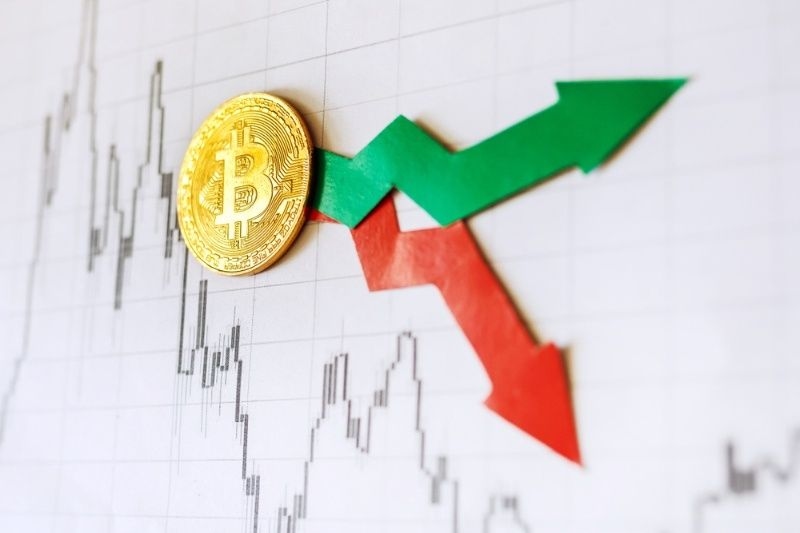
Crypto market volatility is not a side factor. It is the core nature of the space. And when it enters the ETF structure, it does not disappear. It simply behaves a little differently.
Prices can move quickly. Sometimes within hours, sometimes even faster. ETFs reflect these movements, but not always in real time. There can be slight delays. Small mismatches. Enough to create confusion for someone expecting smooth tracking.
This is where behavior starts to shift. Investors often react to sudden movements. A drop triggers concern. A rise creates urgency. Decisions become reactive instead of planned. That pattern quietly reduces long-term consistency.
Another layer comes from timing. The crypto market runs continuously. ETFs follow exchange schedules. When the market moves outside trading hours, the next opening can feel like a jump. Prices adjust all at once.
Digital asset risks do not disappear just because the investment is wrapped inside an ETF. They remain present, only less visible.
The rules around digital assets are still developing. Changes can come without much warning. When they do, they can affect how these funds operate or how accessible they remain.
Investors rely on fund managers and systems to handle everything properly. This creates a layer of distance between the investor and the asset. Trust becomes part of the equation.
Not every investor takes the time to understand what exactly sits inside the fund or how it is managed. This gap in clarity can lead to assumptions, and assumptions rarely end well in investing.
While personal storage risks are reduced, the system itself becomes the point of focus. If something goes wrong within that system, investors are still affected.
Top Pick: Valuable ETF Investing Strategies USA Investors Need to Know
ETF benefits are easy to see. That is part of their appeal. They simplify something that usually feels complex.
There is no need to understand wallets or technical setups. Investors can enter the space using familiar tools. That comfort plays a big role.
Some funds include more than one asset. This spreads exposure and reduces dependence on a single movement. It creates a sense of balance.
This removes the need for constant monitoring. Investors do not have to follow every shift or trend closely.
These are the risks that tend to matter the most. They show up in different ways, but each one leaves a clear impact on the overall investment experience.
The investor holds a fund, not the actual asset. This removes flexibility. There is no option to use or move the asset, which limits how the investment can be handled over time.
The ETF follows the asset, but not perfectly. Small differences appear, especially during fast market movements. Over time, these differences can affect the final outcome more than expected.
The asset trades continuously, but the ETF does not. This creates gaps where prices shift outside trading hours. When the market opens again, adjustments happen quickly, sometimes without warning.
Rules are still evolving. A new regulation can affect structure, accessibility, or even demand. These changes do not always come slowly, which adds another layer of uncertainty.
Fees are part of the structure. They may seem small at first. But over time, they quietly reduce returns, especially for investors holding positions for longer periods.
Understanding crypto ETF risks changes how investors plan their approach. Strategy does not stay the same once these factors become clear.
Investors often reduce the portion of their portfolio allocated to these assets. This helps maintain stability and prevents a single segment from creating too much impact.
Some investors prefer to hold for a longer period to avoid reacting to changes. Others prefer a more dynamic approach, making changes in response to changes. This approach is all about being comfortable with uncertainties.
Boundaries need to be set properly. This is where investors make decisions on how much they are comfortable losing or making changes. This ensures decisions are made in a logical manner and not emotionally.
Investing in diverse areas helps in managing pressure in one area. This can provide a stable structure, despite changes in one area.
Having a plan in place ensures impulsive decisions are avoided. Investors who are consistent in their approach manage changes well, even when the market is unstable.
Crypto ETF risks shape how investments behave, even when the structure looks simple. Understanding these risks helps investors stay prepared and make better decisions. A steady approach, combined with awareness, allows investors to handle uncertainty without losing direction or confidence in their overall strategy.
Crypto ETF risks refer to the challenges linked with indirect exposure to digital assets, including structural limitations and market-related uncertainties.
ETF investment risks can reduce returns through tracking gaps, fees, and structural limitations that influence how closely the fund follows the asset.
Crypto market volatility affects how ETF prices move, sometimes creating delays or gaps that impact investor decisions.