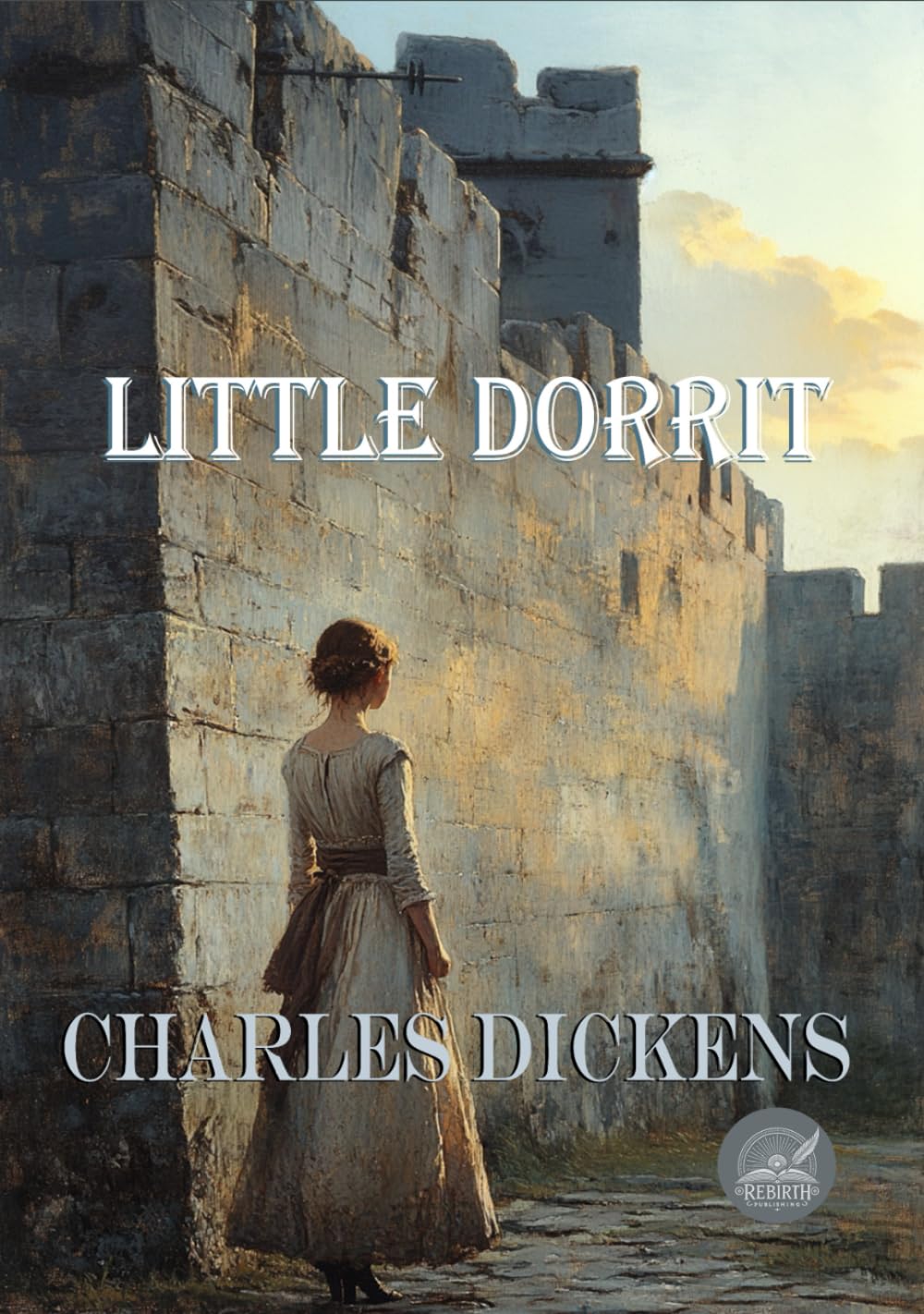
Little Dorrit by Charles Dickens Dickens at His Peak: A Prison, a Family, and Victorian Society Exposed Published in monthly installments from 1855-1857, Little Dorrit finds Dickens at the height of his storytelling powers, weaving together personal drama and social critique in ways that feel surprisingly modern. At its center is the Marshalsea debtors' prison—the same jail where Dickens's own father was once confined—which becomes both setting and symbol for a society that traps people in systems beyond their control. Amy Dorrit, born within the prison walls, grows up as caretaker to both her imprisoned father and the broader community of debtors. Her quiet strength and capacity for genuine care make her one of Dickens's most compelling heroines—neither saint nor victim, but a fully realized person navigating impossible circumstances with remarkable grace. What Makes This Novel Essential: The Prison Metaphor Extended - Beyond the literal Marshalsea, Dickens shows how bureaucracy, social class, family duty, and even wealth can become their own forms of imprisonment - Bureaucratic Satire That Still Stings - The Circumlocution Office, dedicated to "how not to do it," captures the absurdity of institutional obstruction with humor that remains painfully relevant - Financial Corruption Exposed - Mr. Merdle's investment schemes and their eventual collapse mirror financial scandals we still see today, showing how speculation affects everyone from the wealthy to the working poor - Characters Who Speak Like Real People - From bureaucratic double-talk to theatrical self-importance to Amy's direct honesty, each character's voice reveals who they really are beneath social masks Key Players: Amy Dorrit - The "Little Dorrit" whose inner strength dwarfs her small stature - Arthur Clennam - Middle-aged and guilt-ridden, returning to London to uncover family secrets - William Dorrit - Amy's father, who has lived so long in prison he's become its unofficial patriarch - Flora Finching - Arthur's former love, now middle-aged and still living in the past - Various Bureaucrats and Schemers - A gallery of social types that feel oddly contemporary Why Read It Now: This annotated edition helps modern readers navigate Dickens's complex plot while highlighting connections to his own life (that childhood experience of his father's imprisonment shaped much of the novel's emotional core). The detailed notes also trace how critics initially missed the book's sophistication—it's now recognized as one of his most structurally ambitious works. Dickens doesn't just criticize Victorian society; he shows how individual lives get shaped by larger systems, how personal relationships play out against institutional backdrops, how love and loyalty survive in unlikely places. The novel moves between London's cramped quarters and European travels, between comic episodes and moments of genuine pathos. Perfect For: Readers who enjoy sprawling Victorian narratives with contemporary bite, complex characters facing moral dilemmas, social criticism wrapped in compelling storytelling, and authors who believe literature can both entertain and illuminate the world we live in. The relationship between Amy and Arthur develops slowly and convincingly—two people who recognize something authentic in each other despite the performance and pretense surrounding them. Their story offers hope without ignoring the real constraints that shape their world, much like our own
| Gtin | 09798284827338 |
| Age_group | ADULT |
| Condition | NEW |
| Gender | UNISEX |
| Product_category | Gl_book |
| Google_product_category | Media > Books |
| Product_type | Books > Subjects > Literature & Fiction > Genre Fiction > Historical > Cultural Heritage |