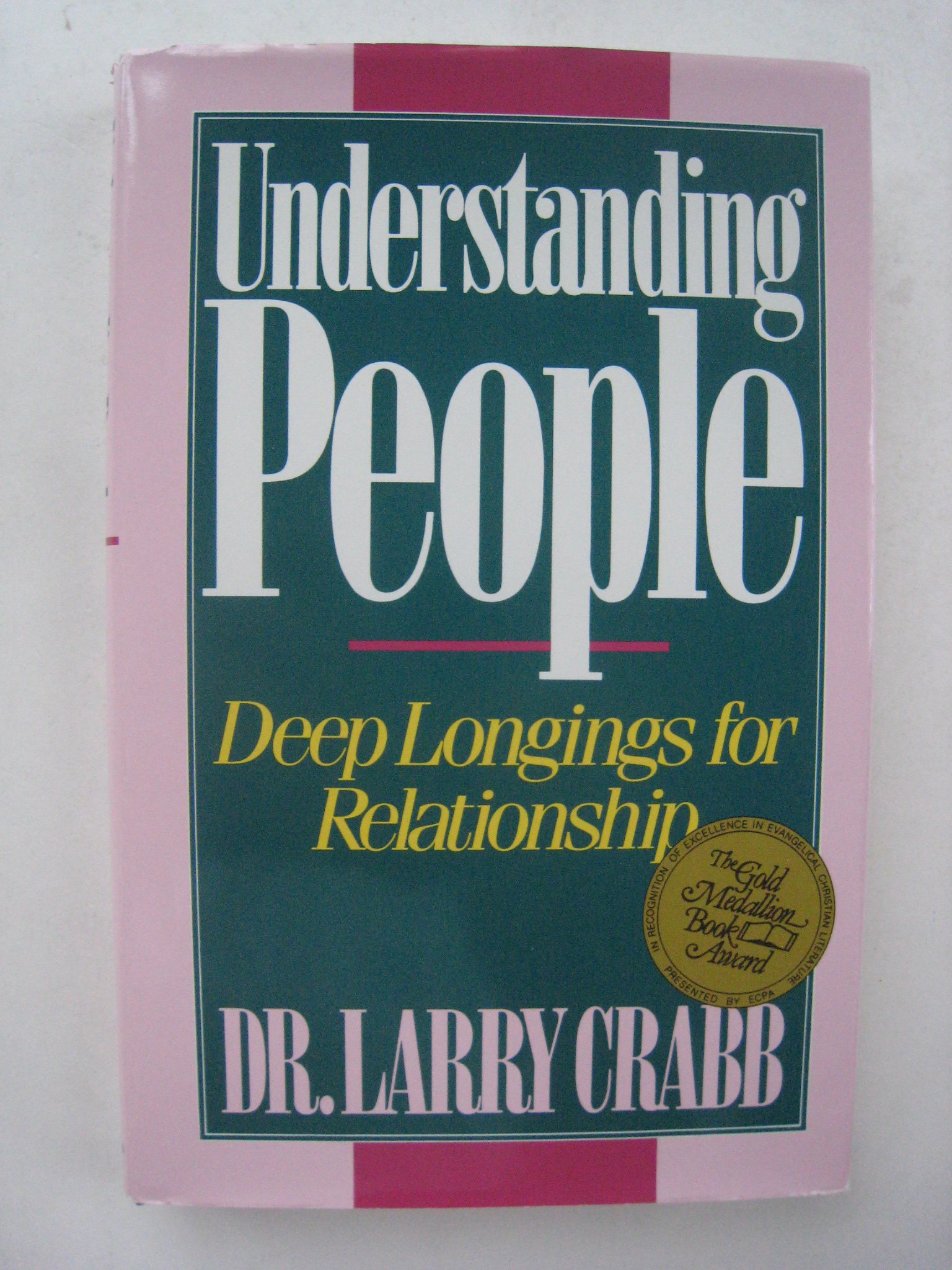
Understanding People 'Every attempt to help people must first begin with an effort to understand people,' says Dr. Larry Crabb. 'And the only fully reliable source of information on that topic is the Bible.' In this Gold Medallion Award-winning classic, Dr. Crabb affirms the power of the Scriptures to address the intricacies and deep needs of the human heart. Exploring the inseparable link between spiritual and psychological realities, Understanding People offers a vital lens on how we're put together---who we really are and what makes us tick in our relationships with other people, with God, and with ourselves. In three parts, this book first points us to the Bible as our source of insight into perplexing heart issues. Then it helps us come to grips with our brokenness as God's image-bearers, and it shows how we can reclaim our ability to reflect him in our growth toward maturity and healed relationships. Understanding People Every attempt to help people must first begin with an effort to understand people, says Dr. Larry Crabb. And the only fully reliable source of information on that topic is the Bible. In this Gold Medallion Award-winning classic, Dr. Crabb affirms the power of the Scriptures to address the intricacies and deep needs of the human heart. Exploring the inseparable link between spiritual and psychological realities, Understanding People offers a vital lens on how we're put together--who we really are and what makes us tick in our relationships with other people, with God, and with ourselves. In three parts, this book first points us to the Bible as our source of insight into perplexing heart issues. Then it helps us come to grips with our brokenness as God's image-bearers, and it shows how we can reclaim our ability to reflect him in our growth toward maturity and healed relationships. Dr. Larry Crabb is a well-known psychologist, conference and seminary speaker, Bible teacher, popular author, and founder/director of NewWay Ministries. He is currently Scholar in Residence at Colorado Christian University in Denver and Visiting Professor of Spiritual Formation for Richmont Graduate University in Atlanta. Dr. Crabb and his wife of forty-six years, Rachael, live in the Denver, Colorado area. For additional information please visit www.newwayministries.org Part I How Do We Know What To Believe? I think you need more than biblical counseling," a pastor recently told a troubled young woman. "Your problem seems far too deep for what I can offer you. In my opinion, you need to see a professional counselor who can get all the way down to the buried emotional roots of your difficulties." The pastor then referred his client to a licensed psychologist who practices primal therapy, an approach to helping that claims to deal with deep issues through emotionally re-experiencing the forgotten traumas of childhood. Another pastor referred a depressed husband, whose wife had rejected him, to a "rage-reduction" therapist. The pastor assumed from his limited knowledge of psychiatric theory that churning anger was beneath the man's depression and that counseling to reduce rage would therefore be helpful. After several group sessions of rage-reduction treatment, the husband reported not only a new awareness of previously hidden anger but a new ability to openly (and sometimes crudely) express it to others. His depression lifted. Another counselor offers his clients something he calls "re-parenting" therapy in which he frankly encourages them to become fully dependent on him as he assumes the role of a warm parent. The idea is that when people can relax in someone's love to the point where they feel comfortable with themselves and unthreatened by others, they will find the strength to meet life's challenges. His appointment book is filled with hurting people who want to be re-parented. How do we evaluate the dozens of approaches designed to help people solve their problems and live more effectively? There are family systems therapy, gestalt treatment, rational-emotive therapy, cognitive-behavioral therapy, implosion procedures, dynamic psychotherapy, Adlerian counseling, nouthetic counseling, spiritual deliverance, love therapy, encounter groups, directive therapy, reality therapy the list could continue. Both the secular and the Christian communities are overrun with ideas about growth and wholeness. Each claims validity as an explanation for how people function, why problems develop, and how change can occur. If we are to move about with any sense of clear direction in this raging sea of competing ideas, we must figure out a strategy for deciding what to believe. We want to know not only what will work, but as Christians we want to know what is true and right. Our decision to accept a model of counseling should be based on more than the observed effects of the model. We must first concern ourselves with which ideas are true and which ones move people in directions that ultimately are good. Effec
| Gtin | 09780310226000 |
| Mpn | 576007 |
| Age_group | ADULT |
| Condition | NEW |
| Gender | UNISEX |
| Product_category | Gl_book |
| Google_product_category | Media > Books |
| Product_type | Books > Subjects > Religion & Spirituality > Christian Books & Bibles > Christian Living > Personal Growth |