Entering the digital asset market can feel overwhelming when thousands of tokens trade daily across global crypto exchanges. While Bitcoin remains the pioneer digital asset, altcoins represent thousands of alternative cryptocurrencies built to expand blockchain utility. Understanding how these distinct digital assets function empowers you to build a well-rounded investment strategy with clarity and confidence.
According to research data from CoinMarketCap, more than 2,000 unique alternative digital assets circulate in the market today, accounting for a substantial percentage of total global crypto valuation. These alternative projects power smart contracts, decentralized finance protocols, high-speed payment rails, and digital identity systems. Navigating this vast landscape requires actionable insights grounded in technical fundamentals and real-world market data.
In this comprehensive guide, we will answer fundamental questions, including What are altcoins? and explore how do altcoins work? We will examine altcoins vs. Bitcoin across critical metrics, review the primary types of altcoins, analyze what are the benefits and challenges of altcoins, outline a step-by-step process for choosing the best altcoins, and walk through proven strategies for safe altcoin investing.
The term "altcoin" is a short form for "alternative coin," describing any cryptocurrency created after Bitcoin. Altcoins were launched to address specific perceived limitations in Bitcoin's original software design.
Developers introduced these early alternative protocols to offer faster network throughput, alternative consensus mechanisms, enhanced user privacy, or customized economic models.
While Bitcoin serves primarily as a digital store of value, altcoins span thousands of distinct projects across diverse crypto sectors. They encompass everything from major smart contract platforms like Ethereum to specialized decentralized finance protocols and utility tokens.
Altcoins rely on decentralized blockchain software to process user transactions, run applications, and maintain network consensus.
Most alternative tokens operate on native network ledgers or deploy as smart contracts on existing blockchains. They often utilize Proof of Stake or Delegated Proof of Stake algorithms, allowing transaction validators to verify blocks efficiently without heavy energy consumption.
Unlike simple ledger transfers, many altcoins execute self-enforcing smart contract code automatically. This framework allows developers to build complex decentralized applications, peer-to-peer lending pools, automated token swaps, and programmable governance structures directly on-chain.
Comparing altcoins vs. Bitcoin reveals major differences in consensus design, market purpose, transaction throughput, and supply mechanics.
Bitcoin commands the largest market share, highest daily trading volume, and deepest liquidity pool across institutional crypto markets. Altcoins display lower market capitalizations and wider liquidity variance, which often leads to higher price volatility.
Bitcoin processes roughly seven transactions per second with varying fee levels during peak network congestion. Modern altcoins frequently achieve transaction speeds ranging from hundreds to thousands of operations per second at significantly lower user cost.
Bitcoin functions primarily as decentralized digital gold and a secure global store of value. Altcoins serve diverse functional roles, including executing complex smart contracts, collateralizing stablecoin pegs, facilitating cross-border liquidity, and enabling protocol voting rights.
| Feature | Bitcoin (BTC) | Altcoins |
| Primary Role | Digital store of value and currency | Smart contracts, DeFi, utilities, governance |
| Consensus Type | Proof of Work (PoW) | Proof of Stake (PoS), PoW, PoA, DPoS |
| Transaction Speed | ~7 transactions per second | Hundreds to thousands per second |
| Energy Consumption | High (specialized ASIC mining) | Low to moderate (stake validation) |
| Supply Dynamics | Hard cap at 21 million BTC | Variable (capped, inflationary, or burn mechanisms) |
| Price Volatility | Moderate relative to the crypto market | High to extreme price fluctuations |
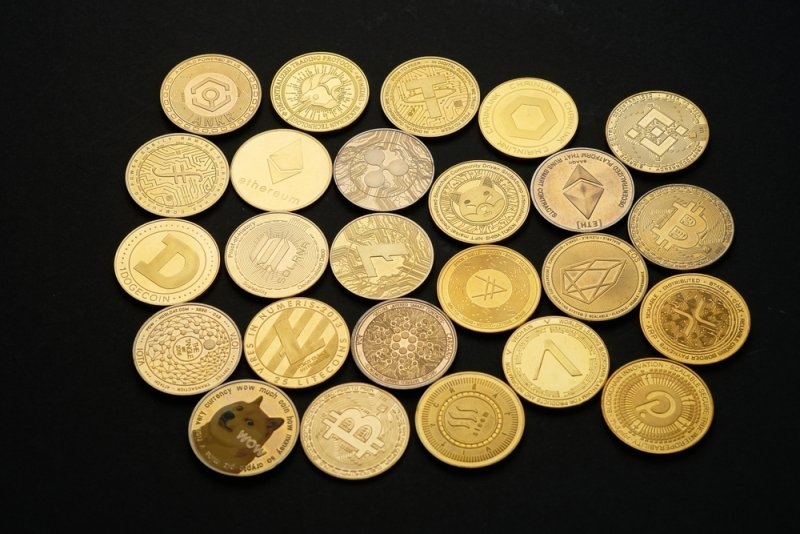
Understanding the primary types of altcoins helps categorize digital assets based on their underlying technology and economic purpose.
Payment altcoins focus on peer-to-peer transactional privacy or accelerated settlement times. Examples like Litecoin and Bitcoin Cash utilize proof-of-work algorithms engineered for quick retail transfers and low network fees.
Stablecoins tie their market value directly to external reserve assets like the US Dollar or physical gold. They minimize price volatility, allowing traders to hold stable value within decentralized platforms without exiting into traditional cash.
Utility tokens provide users access to specific decentralized services, distributed storage, or computational resources. Ethereum (ETH) serves as a primary example, powering execution gas fees across thousands of decentralized applications.
Governance tokens give holders voting rights over network upgrades, fee adjustments, and developer treasury distribution. Security tokens represent digitized ownership of real-world assets like corporate equity or real estate under regulatory frameworks.
Evaluating both advantages and operational risks helps investors approach the alternative digital asset space with a clear perspective.
Altcoins drive continuous innovation across blockchain technology, introducing zero-knowledge privacy tools, high-speed scaling solutions, and automated financial products. They offer investors access to emerging tech sectors and potential portfolio growth beyond traditional crypto markets.
High market volatility, lower trading liquidity in smaller-cap projects, and evolving regulatory rules present persistent risks. Additionally, smaller altcoin networks can face security vulnerabilities, smart contract exploits, or sudden drops in developer participation.
Must Try: Large-cap Stocks: What They Are, Benefits, & How to Identify
Selecting the best altcoins requires a structured, multi-step evaluation process rather than relying on market hype.
Verify long-term viability and read the official project whitepaper to evaluate the core problem the token solves, its technical design, and its target market. Ensure the project offers a clear utility rather than duplicating existing tools.
Check ongoing developer work and review code commit frequency on public repositories like GitHub to confirm active developer contributions. Verify that third-party cybersecurity firms have completed formal smart contract audits.
Assess token supply dynamics and inspect total circulating supply, maximum supply caps, and insider token unlock schedules. Unlocking large token allocations for early venture backers can create significant selling pressure on open markets.
Ensure reliable execution and check daily trading volumes across reputable tier-one cryptocurrency exchanges. Strong trading volume ensures you can open and close asset positions efficiently without experiencing severe price slippage.
Executing disciplined strategies for altcoin investing helps safeguard capital while positioning your portfolio for long-term market cycles.
Avoid placing entire capital allocations into high-risk speculative tokens. Balance smaller altcoin positions alongside established market leaders like Bitcoin and Ethereum to moderate overall portfolio volatility.
Transfer long-term altcoin holdings off centralized trading platforms into secure hardware cold wallets. Managing private keys independently eliminates counterparty risks associated with third-party exchange insolvencies or platform outages.
Accumulate chosen digital assets in fixed fiat amounts at regular scheduled intervals regardless of short-term price swings. Dollar-cost averaging lowers average purchase costs over time and eliminates emotional market timing mistakes.
Track Bitcoin dominance metrics to identify shifting liquidity trends between major digital assets and alternative tokens. Capital typically moves into established coins during market drawdowns before flowing into smaller altcoins during expansion phases.
Define explicit profit-taking levels and stop-loss price thresholds before entering volatile altcoin positions. Establishing automated order exits protects accumulated trading gains and limits portfolio losses during sudden market drops.
Navigating the altcoin landscape offers unique opportunities to participate in cutting-edge blockchain innovations, decentralized finance, and web3 infrastructures. Throughout this guide, we defined what alternative coins are, detailed how smart contracts and consensus engines power their networks, and compared key differences between altcoins and Bitcoin using structured data.
We categorized primary token types, weighed major benefits against operational risks, and provided a clear step-by-step approach to selecting promising digital assets. Implementing sound investment practices, enforcing cold wallet security, and monitoring market cycles empower you to make informed portfolio decisions. As digital asset technologies mature, maintaining a disciplined research approach remains essential for achieving lasting financial clarity.
Ready to take your financial strategies to the next level with institutional-grade tools, real-time tracking, and actionable insights? Explore our full range of market resources, live token analytics, and expert guides today to elevate your digital asset management with complete confidence!
Take full command of your financial journey today by utilizing real-time market insights and expert asset analytics!
Layer 1 altcoins operate on their own native blockchain networks, handling consensus, data availability, and block production directly. Layer 2 altcoins build on top of existing Layer 1 blockchains to process transactions off-chain, significantly increasing throughput while reducing gas fees before settling final state data back on the main layer.
Staking rewards are generated when cryptocurrency holders lock up their native tokens to help secure a Proof of Stake blockchain network. Validators and delegators process block transactions and receive newly minted network tokens or transaction fees as incentive payouts proportional to their total staked capital over designated time intervals.
Cryptocurrency transactions generally trigger capital gains tax events in most major regulatory jurisdictions worldwide. Swapping one digital asset for another, selling tokens for fiat currency, or earning staking yields creates taxable events that require precise record-keeping and reporting in accordance with local tax laws and financial guidelines.
Token burning involves sending a specified amount of cryptocurrency permanently to an unspendable wallet address, removing those coins from circulation forever. Decreasing the total circulating token supply creates economic scarcity, which can positively influence long-term asset valuation if broader market demand remains consistent or grows over time.
Investors protect their digital holdings by verifying smart contract audit reports from reputable security firms before interacting with decentralized applications. Using hardware wallets, avoiding suspicious links, keeping recovery seeds offline, and setting up multi-signature approvals significantly reduce exposure to malicious exploits and unauthorized wallet access.