
Wrench Attacks have become one of the scariest risks for anyone with a good amount of cryptocurrency. Unlike typical hacks, these attacks don't go after the tech—they go after you, the person holding the keys. As the world of digital assets has exploded into a multi-trillion-dollar business, more criminals have turned to old-fashioned threats, violence, and even kidnapping to force people to hand over access to their crypto wallets.
Blockchain security companies and the police are seeing more of these cases pop up around the world. Sure, great encryption keeps hackers out, but it doesn’t stop someone with a wrench who wants your password.
Let’s dig into what is a Bitcoin wrench attack, look at some real-world examples of wrench attacks, and talk about easy steps you can take right now to make yourself less of a target.
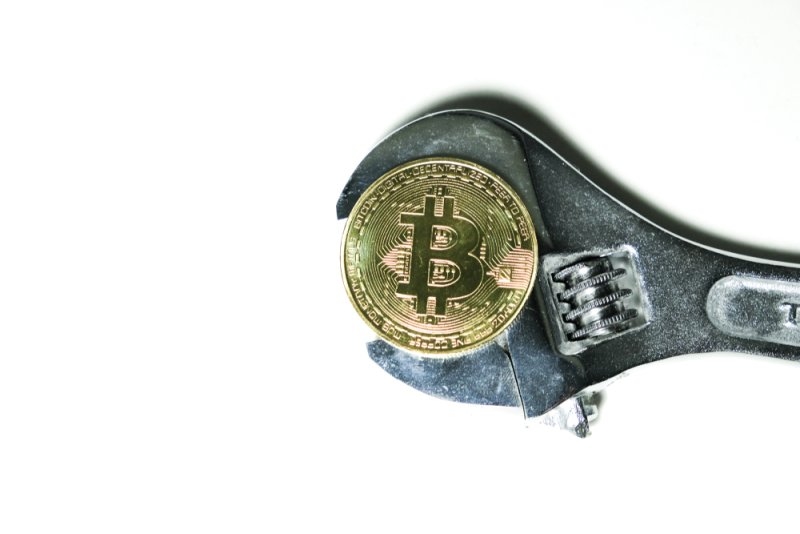
The term comes from a well-known comic—why try to break serious encryption when you can just threaten the person holding the secret with a wrench? That’s what a wrench attack is: using force, blackmail, or straight-up threats to make someone hand over their wallet passwords, seed phrases, hardware wallet PINs, private keys, or exchange account access.
Instead of trying to hack the technology, the attacker goes after the human being with the keys and skips the cryptography completely.
It is different in many aspects, and here is how:
| Traditional Crypto Hack | Wrench Attack |
| Targets Software or Networks | Targets the Individual |
| Requires Technical Exploitation | Requires Coercion or Intimidation |
| Can Occur Remotely | Usually Involves Physical Proximity |
| Focuses on System Vulnerabilities | Focuses on Human Vulnerability |
Here are the following reasons responsible for the recent rise in wrench attacks:
Many investors brag about their profits, post wallet screenshots, or show off their new toys online. It doesn’t take much for criminals to spot a potential goldmine.
Once you send money in crypto, it’s gone. And if a thief moves your coins through enough wallets or privacy tools, there’s almost no chance of getting those assets back.
Holding your assets in your own hardware wallet puts you in complete control, but if someone gets to you, you become the weakest link.
It is quite difficult to narrow down among several examples that depict the rise of wrench attack incidents, but here are the notable ones below:
There have been reports of criminals breaking into people's homes, demanding access to hardware wallets and seed phrases.
In some places, crypto traders and business owners have been kidnapped for their assets—violence is sometimes on the table.
Sometimes attackers piece together public data from social media or leaks and use it to scare victims into sending payments.
These stories all start with information leaks, not hacking. It’s usually what you expose about yourself that gets you targeted.
Here are reasons why wrench attacks threaten crypto holders:
If someone gets your seed phrase, they get everything—even millions—since that one phrase controls your entire fortune. In a bank, there are more checks, caps, and protections in place.
Banks can freeze and reverse transactions, but crypto puts all the pressure on you. If someone forces you to move funds, it’s all on you to stay safe.
You’re probably at higher risk if you:
The easier you are to spot, the easier you are to target.
Here are some ways to prevent cryptocurrency wrench attacks from happening to you and your loved ones:
Don’t share wallet balances, screenshots, or profit numbers. Even casual posts can tip off criminals.
Since several individuals or devices need to approve transactions, this could provide an obstacle and prevent someone from being compelled to move funds.
There's no point stashing your hardware wallet, recovery, or instructions under one piece of floorboard, as this makes it too simple.
It goes without stating that you should consider CCTV, alarm systems, deadbolts, and tougher doors in an effort to avoid theft and extortion. Build a list of trusted emergency contacts, too.
Some experts say you should keep a small amount in an easy-to-find wallet and hide the rest somewhere safer. This plan needs to be thought out with care.
If you think you’re being watched or targeted:
As more people get into cryptocurrency, just using passwords and two-factor authentication isn’t enough. You need layers: digital security, privacy measures, safe travels, home safety, and making sure your family knows the risks and the future of cryptocurrency is blockchain management.
Wrench Attacks have made it clear—protecting your assets means protecting yourself, not just your wallet.
Wrench Attacks are a growing threat, but too many investors ignore them or don’t take them seriously enough. These attacks sidestep all the technology by going straight to the person who controls the keys. If you’re going to hold real money in crypto, you need to understand what these attacks look like, stay private, and secure both your computers and your personal life.
The best defense is a blend of caution, smart wallet setups, physical security, and solid emergency planning. As the crypto world goes mainstream, you can’t just think about hackers—you have to put your own safety at the center of your strategy.
Start with yourself. Lock down your privacy settings, rethink how and where you store your crypto, and take your personal security seriously—before you find yourself in a crisis.
Some specialized insurance policies cover crypto theft or coercion, but not all do. Regular homeowners or property insurance generally won’t touch cryptocurrency. If you’re worried, go over the fine print with an expert who knows both insurance and digital assets.
Hardware wallets work great against online hacking and malware. But they can’t help if someone physically forces you to give up your PIN or recovery phrase. Their real power comes when they’re part of a bigger setup—multisig, secure storage, and personal privacy.
Absolutely. Companies holding a lot of cryptocurrency face the same—if not higher—risks as wealthy individuals. Employees with wallet access could become targets. Businesses need multisignature controls, clear access rules, security training, and strong emergency procedures to protect both their assets and their people.