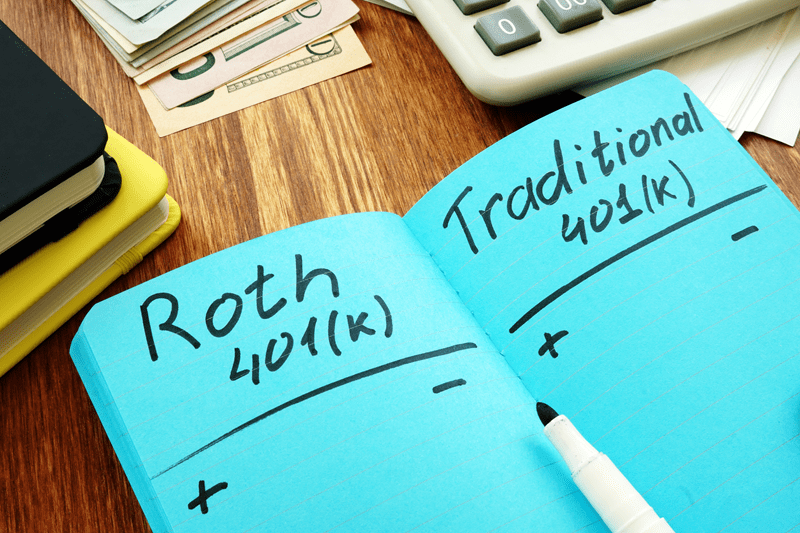
Choosing between a Traditional 401(k) and a Roth 401(k) is not about following trends or copying what others do. It is about timing, taxes, and how you expect your income to look later in life. This decision plays a major role in retirement tax planning and can affect how much of your savings you actually keep.
Both accounts help you save for retirement. The difference lies in when you pay taxes and how withdrawals work. Understanding that difference clearly is the goal of this guide.
A 401(k) is a workplace retirement account that lets you invest part of your paycheck before you ever see it. Your money is invested, grows over time, and is meant to support you after you stop working.
Most employers offer two tax options:
The investments inside both accounts can be identical. The tax treatment is what changes everything.
The Traditional vs Roth 401k debate comes down to one simple question. Do you want to pay taxes now or later?
A Traditional 401(k) gives you a tax break today. A Roth 401(k) gives you tax relief in retirement.
That single difference affects income taxes, withdrawal rules, and long term planning.
A Traditional 401(k) uses pre tax dollars. Your contribution comes out of your paycheck before income taxes are calculated.
Key points:
If you earn $80,000 and contribute $10,000 to a Traditional 401(k), you only pay income tax on $70,000 that year. That is why many higher earners prefer this option.
Tax-deferred retirement growth means you are not paying yearly taxes on dividends or gains. Taxes only apply when you take the money out.
A Roth 401(k) is funded with after tax dollars. You pay taxes upfront, then your money grows without future tax consequences.
Key points:
If you earn $80,000 and put $10,000 into a Roth 401(k), you still pay tax on the full $80,000. In retirement, withdrawals from that Roth 401(k) are not taxed.
This is why Roth 401k benefits are often linked to long term tax control.
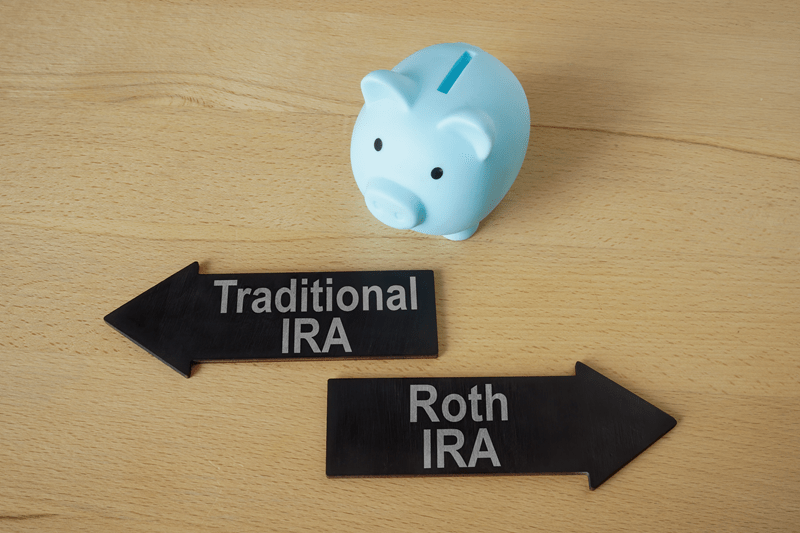
Retirement tax planning is not optional. Taxes can quietly reduce your savings if you ignore them.
The mistake many people make is focusing only on how much they save, not how withdrawals will be taxed.
Key planning questions:
Your answers guide the Traditional vs Roth 401k decision.
A Traditional 401(k) often works better when:
This option supports tax-deferred retirement and helps manage cash flow today.
A mid career professional earning $150,000 may benefit more from reducing current taxes than worrying about future rates. A Traditional 401(k) helps achieve that.
Roth 401k benefits become clear when:
A 25 year old earning $50,000 may pay lower taxes today. Locking in those reminds through a Roth 401(k) can lead to decades of tax free growth.
This approach also supports cleaner retirement tax planning since withdrawals do not raise taxable income.
Employer matching contributions are always a win. You should never skip them.
Important detail:
This means many workers end up with both account types, which can support balanced retirement tax planning.
Contribution limits apply to both account types combined.
For most workers:
This flexibility allows you to adjust your strategy as income and tax situations change.
Many strong retirement plans do not pick sides. They use both.
Why this works:
This blended approach reduces risk tied to future tax laws and supports smarter retirement tax planning.
The Traditional vs Roth 401k decision should never be random. It should match your income level, career stage, and tax outlook.
The best choice is the one that keeps more money in your pocket over time.
No. It is about timing. Traditional accounts delay taxes. Roth accounts prepay taxes.
No. Employer match money is taxed later even in a Roth 401(k).
Yes. Most plans allow you to change future contributions, which supports ongoing retirement tax planning.