Loading market data...
Articles

Insider Tips for Mastering the Art of Toyota Used Car Buying

Hetal Bansal
Written By Hetal Bansal - May 29, 2023
Insider Tips for Mastering the Art of Toyota Used Car Buying

Buying a used car can be a daunting and overwhelming experience. With so many different brands and models on the market, it can be difficult to know which one to choose. Fortunately, Toyota has an excellent reputation when it comes to quality and reliability, making them a great option for those looking for a used car.

In this blog post, we will provide you with insider tips for mastering the art of Toyota used car buying. We'll discuss everything from how to find the best deals to the features to look for in a used car. With these insider tips, you will be armed with the knowledge you need to find the perfect used Toyota for your needs. So, let's get started!


Setting The Budget


Car on top of stack of coins


The first step in mastering the art of Toyota used car buying is to set a budget. This is important because it will help you narrow down your options and focus on finding the right car for your needs. It's important to be realistic when setting your budget, as you don't want to end up overextending yourself financially.

When setting your budget, you'll want to factor in things like taxes, registration fees, and insurance costs. Additionally, you'll also want to set aside a "buffer" fund for any unexpected expenses that may arise. This will help ensure that you don't end up in financial trouble down the line.


Researching Different Models


Once you have a budget in mind, it's time to start researching different models of used Toyotas. The internet is an excellent resource for researching vehicles, as it will provide you with detailed information about each model. Additionally, there are a number of websites that specialize in used car listings, which can be a great way to compare prices and features.

It's also important to read reviews of different models. This will give you an idea of how the car performs and what other drivers think of it. Additionally, you'll want to be sure to research any recalls or common problems associated with the model you're considering. This will help you make an informed decision and ensure that you're getting a reliable vehicle.


Getting a Pre-Purchase Inspection


Once you've found a few models that meet your needs, it's time to get a pre-purchase inspection. This is an important step in the process, as it will help you identify any potential problems before you buy. A qualified mechanic can inspect the vehicle and provide you with a detailed report about its condition. This will help you make an informed decision and ensure that you're getting the best value for your money.


Negotiating the Price


Young Couple buying car talking with seller

Designed by Freepik


Once you've found the right car and gotten a pre-purchase inspection, it's time to start negotiating the price. This is an important step in the process, as it will allow you to get the best deal possible. It's important to be firm but polite when negotiating, as this will help ensure that you get the best price.

Additionally, it's also a good idea to research the average pricing for similar vehicles. This will give you an idea of what the seller should be asking for the car and help you negotiate a fair price.


Understanding Financing Options


Another important step in mastering the art of Toyota used car buying is understanding the financing options available. Depending on your budget and credit score, you may qualify for a loan or lease. It's important to understand the terms of the loan or lease before signing any paperwork, as this will help ensure that you're getting the best deal possible.


Looking for Additional Features


When buying a used car, it's important to look for additional features that can add value. For example, many Toyotas come with a number of safety features that can help protect you and your passengers in the event of an accident. Additionally, some models may come with features such as navigation systems, heated seats, and sunroofs.

These features can add value to your vehicle and make it more enjoyable to drive. Be sure to ask the seller about any additional features that may be included in the car.


Taking it for a Test Drive


man ready to take test drive


Once you've done your research and negotiated the price, it's time to take the car for a test drive. This is an important step in the process, as it will allow you to get a feel for the car and make sure it meets your needs. Be sure to take the car on different types of roads and pay attention to how it handles. Additionally, you'll want to make sure all of the features are in working order.


Read the Documentation Carefully


Before signing any paperwork, it's important to read the documents carefully. This will help ensure that you understand the terms of the sale and that there are no hidden surprises. Additionally, be sure to ask any questions you may have before signing anything.


Getting the Right Insurance


Once you've purchased your used Toyota, it's important to get the right insurance. This will help ensure that you're protected in the event of an accident or other unexpected event. Additionally, it's important to make sure the coverage is sufficient for the vehicle you choose.


Enjoy Your Used Toyota!


The last step in mastering the art of Toyota used car buying is to enjoy your new car! Take some time to explore the features and get to know your vehicle. With proper maintenance and care, your used Toyota will provide you with years of reliable service.


Conclusion


In conclusion, mastering the art of Toyota used car buying becomes easier with these insider tips. Thorough research, vehicle inspections, and maintenance records provide valuable insights into the car's history and condition. Negotiating skillfully, considering certified pre-owned options, and checking for warranty coverage enhance the buying experience. Furthermore, seeking professional assistance and test-driving multiple vehicles enable buyers to make an informed decision. By following these tips, individuals can navigate the used car market confidently and find a reliable Toyota that meets their needs.

Read Next

Retail Investor Strategies Winning the Market in 2026
Articles

Retail Investor Strategies Winning the Market in 2026

 Retail investors are playing a much bigger role in the stock market today than they did a decade ago. In 2026, many individual traders are not just participating in the market, they are doing well in it. Some are even outperforming professional funds.A big reason is access. Market data, earnings reports, and research tools are easier to find than ever. Platforms like brokerage apps and financial research websites have made investing less complicated. Because of that, more people are learning how to apply practical retail investor strategies instead of making random trades.The mindset has also changed. Many individual investors now focus on long term growth and risk management rather than short bursts of speculation.Retail Investor Strategies That Are Actually WorkingOne thing experienced investors often say is that the market rewards patience. That idea shows up in many successful retail investor strategies today.Instead of constantly moving money in and out of stocks, many investors choose a few companies they believe in and hold them for years. This approach reduces trading mistakes and allows investments time to grow.Some commonly used retail investor strategies include:buying strong companies when prices dropinvesting small amounts regularlyspreading investments across different sectorsThese retail investor strategies may seem basic, but they remove the pressure of trying to predict every market move.For example, someone investing in large technology companies might add shares gradually over several months rather than buying everything in one trade.What Smart Money Investing Looks Like for IndividualsRetail traders are also paying attention to what institutional investors do. This idea is often called smart money investing.Large investment funds rarely rush into positions. They usually build their holdings slowly and wait for the right entry points. Observing these patterns can give retail investors useful clues.Some signals people look for in smart money investing include rising trading volume or price consolidation before a stock moves higher.Another part of smart money investing is understanding broader economic conditions. Interest rate changes, inflation reports, and corporate earnings seasons all influence where money flows in the market.Retail investors who watch these signals often make calmer decisions than those reacting to headlines.Explore More: Set Smart Financial Goals Before Investing for SuccessStock Market Strategies 2026 Investors Are UsingMarkets never stay the same, which is why investors adjust their plans over time. Several stock market strategies 2026 investors follow today focus on maintaining balance in a portfolio.A common method is to build a core portfolio around index funds or large stable companies. These investments track the overall market and provide a foundation for growth.After that, investors sometimes add smaller positions in industries expected to grow faster.Examples of stock market strategies 2026 include investing regularly, holding diversified funds, and maintaining exposure to expanding sectors such as technology or healthcare.These stock market strategies 2026 allow investors to participate in market growth without relying on a single stock.Retail Trading Tips That Make a Real DifferenceMany new investors focus on finding the perfect stock. In reality, discipline matters more. A few practical retail trading tips can improve results over time.First, avoid making decisions based on hype. Social media trends often push investors toward stocks that have already moved too far.Second, keep individual positions small. Diversification protects a portfolio when one investment performs poorly.Some simple retail trading tips that experienced investors follow include reviewing portfolios periodically and avoiding unnecessary trades.Another useful habit is stepping back during periods of heavy market volatility. Reacting immediately to price swings usually leads to mistakes.Creating an Individual Investor Portfolio StrategyEvery investor needs a plan for allocating money. A clear individual investor portfolio strategy helps reduce risk and maintain balance.A typical individual investor portfolio strategy includes three layers.Core holdingsThese are index funds or well established companies that represent the broader market.Growth positionsThese are companies in industries expected to expand quickly.Defensive investmentsThese include assets such as dividend paying stocks or bonds.Using this kind of individual investor portfolio strategy allows investors to pursue growth while protecting against sudden market declines.Stock Market Success Tips That Stand the Test of TimePeople often search for complicated formulas to beat the market. In reality, the most reliable stock market success tips are surprisingly simple.Consistency is one of them. Investors who contribute money regularly tend to build stronger portfolios over time.Another important set of stock market success tips says that investors should focus on financially stable companies instead of pursuing popular stocks. The need for patience exists because certain investments will take multiple years before they produce significant profits.These stock market success tips may not sound exciting, but they form the foundation of long term investing.Retail traders who apply thoughtful retail investor strategies, pay attention to smart money investing, and follow proven stock market strategies 2026 are proving that individuals can compete in today's financial markets.You may also like: How to Automate Your Savings for Consistent GrowthConclusionRetail investors are far more prepared today than they were in the past. Access to research materials together with financial education resources and improved trading platforms has transformed the way people invest their money. Many investors have abandoned their previous reliance on luck and now use retail investor strategies which they implement to achieve their long term investment objectives.Understanding how smart money investing works, applying practical retail trading tips, and building a balanced individual investor portfolio strategy can help investors stay disciplined in different market conditions. The stock market strategies 2026 investors are using today focus on patience, diversification, and informed decision making.While markets will always move in cycles, the fundamentals of investing remain the same. Investors who stay consistent, follow proven stock market success tips, and avoid emotional decisions give themselves the best chance of building lasting wealth.FAQsHere are a few common questions investors often ask.What are retail investor strategies?Retail investor strategies refer to the methods individual traders use to manage investments. These usually include diversification, research based stock selection, and long term investing.What is smart money investing?Smart money investing means studying how large institutional investors move capital and using those patterns to guide personal investment decisions.What are the best stock market success tips?Some of the most useful stock market success tips include investing consistently, diversifying your portfolio, and focusing on financially strong companies.

Dividend Investing Strategy for Beginners: Tips & Basics
Articles

Dividend Investing Strategy for Beginners: Tips & Basics

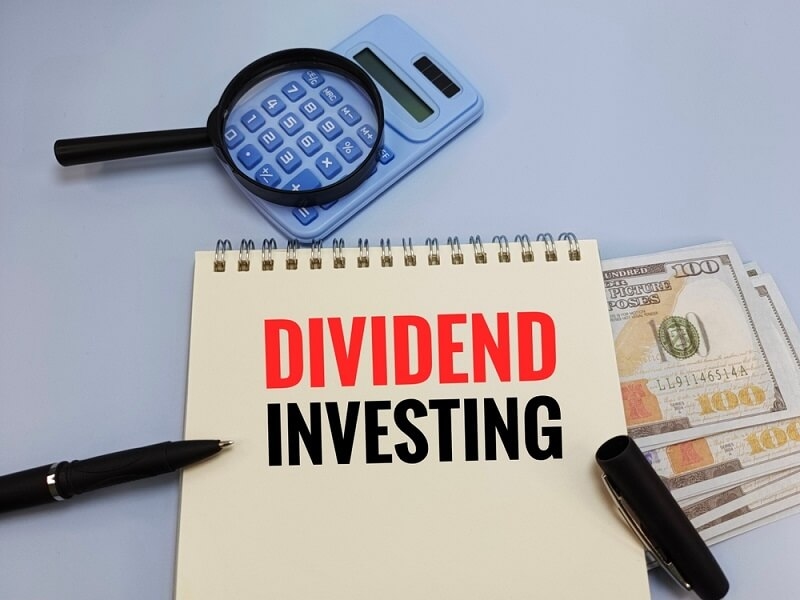
 Some investors chase the next big stock. Others quietly build wealth that pays them every quarter. That's the heart of dividend investing. It's not flashy, but it can be steady, reliable, and surprisingly powerful over time. Many beginners in the United States start investing, hoping their money will grow. But imagine something slightly different: your investments actually sending you cash regularly. Sounds appealing, right?This article walks through the fundamentals of dividend investing, how a dividend income strategy works, and how dividend growth investing can help build passive income from stocks. We'll also talk about long-term dividend investing habits that help investors stay consistent even when markets wobble. If you're just starting out, the ideas here will give you a practical roadmap.Let's get into it.Dividend Investing Strategy For BeginnersA smart dividend investing approach begins with understanding how dividend-paying stocks work and why many investors prefer them for steady income.Dividend stocks represent companies that share part of their profits with shareholders. When you own these stocks, you're not just hoping for price growth. You also receive regular payouts.What Is Dividend InvestingDividend investing means buying shares of companies that distribute a portion of their earnings to investors. These payments, known as dividends, are usually paid quarterly in the United States.Think of it a bit like owning a small piece of a business. If the company earns money, you receive a share of those profits.Some well-known dividend-paying companies include:Coca-ColaJohnson & JohnsonProcter & GambleWhy Investors Love Dividend IncomePrice growth can be unpredictable. Some years, stocks surge. Other years, they barely move. Dividend payments add a layer of consistency.A solid dividend income strategy can offer several benefits:Regular cash paymentsLower volatility compared to growth stocksPotential for reinvestmentLong-term compoundingMany retirees depend on dividend income. But younger investors are also adopting this approach because it creates passive income from stocks while portfolios grow.Suggested Reading: How to create a personalized US stock watchlist strategy?Building A Reliable Dividend Income StrategyNot all dividend stocks are equal. Some companies pay high dividends but struggle financially. Others pay modest dividends yet increase them year after year.Choosing Companies With Stable Cash FlowCompanies that pay consistent dividends usually share a few traits.They often operate in mature industries and generate predictable revenue. Think utilities, consumer goods, and healthcare.When reviewing a stock, pay attention to:Earnings stabilityRevenue growthIndustry positionDebt levelsFor example, large U.S. corporations such as PepsiCo and McDonald's have strong global demand and steady cash flow. That makes dividend payments easier to sustain.Evaluating Dividend Yield And Payout RatioBeginners often chase the highest dividend yield. That's understandable, but it can be risky.Dividend yield measures how much a company pays relative to its stock price. A very high yield sometimes signals trouble.Instead, look at the payout ratio. This shows how much of the company's earnings go toward dividends.General rule investors follow:Normal payout ratio: 30 to 60 percent.Over 80 percent can be an indication of danger.You wish to have firms that can easily manage their dividends and, at the same time, invest in their future expansions.Dividend Growth Investing For Long-Term WealthAt this point, the interesting part comes in. However, in addition to dividend growth investing, many investors are willing to invest in high payouts.Why? Because growing dividends often means growing businesses.Why Dividend Growth MattersCompanies that increase dividends regularly tend to be financially strong.In the United States, there's a well-known group called Dividend Aristocrats. These companies have raised their dividends for at least 25 consecutive years.Examples include:3MColgate-PalmoliveWhen a company raises its dividend each year, your income rises without buying more shares.Reinvesting Dividends For CompoundingLet us explain something powerful that many beginners overlook.Dividends can be reinvested automatically through DRIP programs, which stand for Dividend Reinvestment Plans.Brokerages like Fidelity Investments or Charles Schwab allow investors to reinvest dividends into additional shares.Over time, this creates compounding.Don't Miss: How to invest in AI stocks for long-term growth in 2026Creating Passive Income From StocksOne reason dividend strategies appeal to beginners is the potential for passive income from stocks.But passive does not mean careless. A well-built portfolio still needs a thoughtful structure.Diversifying Your Dividend PortfolioDividend portfolio diversification decreases risk. The reduction of dividends by one company does not necessarily mean that others will stop paying.An example with a diversified portfolio of dividends could be:Consumer goods companiesUtility companiesHealthcare firmsEnergy companiesFinancial institutionsDiversity of investments reduces the risk associated with income.Using Dividend ETFs And ToolsOthers, like dividend-centered ETFs, have been found to be favored by some investors who seek the easier method.Popular Dividend ETFs are:Vanguard Dividend Appreciation ETFSchwab U.S. Dividend Equity ETFThese funds are diversified in terms of holding collections of dividend-paying firms.They provide a very easy delivery of a strategy for generating dividends without the need to research dozens of individual stocks.Long-Term Dividend Investing HabitsLong-term dividend investing rewards patience more than brilliance. That may sound boring, but it's true.Successful investors often follow simple habits for years.Patience And ConsistencyDividend portfolios grow slowly at first. Then something interesting happens.The income starts stacking up.Investors who contribute regularly and reinvest dividends often see income increase each year.Many long-term investors track a simple goal:Income growth, not just portfolio value.Avoiding Common Beginner MistakesNew investors sometimes make predictable mistakes. Let's talk about a few.Chasing extremely high dividend yieldsIgnoring company fundamentalsSelling stocks too quicklyLack of diversificationMarkets fluctuate. Dividend stocks are no exception. Prices may fall during economic downturns, even when companies remain healthy.Also Read: Reverse Stock Split Explained: Meaning, Purpose & ImpactConclusionDividend investing is not present in the headlines of the financial front, yet it is one of the surest approaches to increasing wealth.The intelligent dividend strategy will be a combination of consistent companies, reinvestment, and long-term patience. In the long run, a developed dividend income plan can provide a consistent passive source of income using stocks and will allow investments to increase.The most important thoughts are the basic ones, though, for beginners. Focus on strong companies. Search for sustainable dividends. Reinvest whenever possible. And stay consistent.FAQsWhat Is Dividend Investing?Dividend investing refers to the purchase of stocks which consistently distribute shareholders a share of the company income. The shareholders still make profits on the stock.How Much Money Do I Need To Start Dividend Investing?It is possible to begin with fractional shares that are sold by brokerages. Even a couple of hundred dollars will start earning dividends.Are Dividend Stocks Good For Beginners?It is true that dividend stocks attract many novices due to the regular payout and the investment being less risky than growth stocks.Can Dividend Stocks Create Passive Income?Yes. In the long run, diversification of a portfolio may also yield passive income in the form of stocks in terms of periodic transactions in the form of dividends, particularly through reinvestment of dividends.

How to Invest in AI Stock for Long Term Growth in 2026
Articles

How to Invest in AI Stock for Long Term Growth in 2026

 Artificial intelligence is no longer a niche tech trend. It is shaping cloud computing, healthcare, finance, cybersecurity, and consumer apps. Investors are paying attention for a reason. Revenue growth across artificial intelligence stocks continues to outpace many traditional sectors.If you are trying to understand How to invest in AI Stock, this guide breaks it down clearly. No hype. No complicated language. Just what you need to know.We will also address common questions about Invest in OpenAI, ChatGPT stock, OpenAI stock, and how to find strong AI stocks to buy.Clear the Confusion Around OpenAI Stock and ChatGPT StockA lot of investors search for:OpenAI stockChatGPT stockHow to Invest in OpenAIHere's the straight answer.There is no publicly traded OpenAI stock.There is no separate ChatGPT stock either.OpenAI is still a private company. You cannot buy shares of it through your regular brokerage account. Unless the company goes public in the future, retail investors do not have direct access.So when someone says they want to Invest in OpenAI, what they usually mean is they want exposure to the growth of AI products like ChatGPT.That part is possible. Just not the way most people think.Don't Miss: Best Income Investing Strategy that People are UsingHow to Invest in AI Stock the Practical WayInstead of chasing something that is not available, focus on what is.When you look at artificial intelligence stocks, they usually fall into three buckets:InfrastructureSoftwareCompanies using AI inside larger productsIf you understand these three, you understand how to invest in AI Stock properly.1. AI Infrastructure CompaniesThese are the companies building the backbone.They manufacture chips.They run cloud data centers.They provide computing power.Without them, AI models do not function.For example, semiconductor companies that produce GPUs are critical for training large language models. Cloud providers host AI workloads for businesses worldwide.This part of artificial intelligence stocks tends to generate real revenue because demand for computing power keeps rising.If you want stability within AI stocks to buy, infrastructure is often where investors start.2. AI Software and Model DevelopersThis is the category people think of first.These companies build:Generative AI toolsEnterprise AI platformsAutomation systemsOpenAI falls here. But again, OpenAI stock is not public.Instead, you look at publicly traded firms building similar tools or integrating AI into enterprise software.When evaluating AI stocks to buy in this space, check:Revenue growthRecurring contractsCustomer retentionCash flow trendsIgnore headlines. Follow the numbers.3. Large Tech Companies Integrating AIThis is the quiet category.Big technology firms are embedding AI into search, advertising, design software, productivity tools, and cloud platforms.They already have customers. They already generate profit. AI simply improves margins and competitiveness.For investors who want exposure without extreme volatility, this segment of artificial intelligence stocks makes sense.It is not flashy. But it is practical.What About Investing in OpenAI Indirectly?If you want to Invest in OpenAI without direct OpenAI stock access, you look at companies that partner with or fund it.For example, major technology companies that have invested billions into OpenAI benefit from its expansion. When OpenAI grows, their cloud revenue and enterprise adoption often increase as well.That is indirect exposure.It is not the same as owning OpenAI stock, but it ties your investment to the ecosystem around ChatGPT.For most retail investors, this is the realistic route.ETFs: The Simplest Entry Into Artificial Intelligence StocksIf choosing individual companies feels overwhelming, AI-focused ETFs are a clean solution.An AI ETF typically holds:Semiconductor manufacturersSoftware companiesRobotics firmsAutomation businessesInstead of betting on one stock, you spread risk across the sector.This is often the smartest way to approach How to invest in AI Stock if you are building long-term exposure rather than trading short-term momentum.Explore More: What are Meme Stocks & the Best Tokens to Invest?How to Evaluate AI Stocks to BuyThis is where people make mistakes. They buy stories instead of businesses.Here is what actually matters.Revenue Growth That Is ConsistentAI demand should show up in earnings reports. If growth is flat, the AI narrative may not be translating into revenue.Clear Competitive AdvantageDoes the company control proprietary data?Does it own critical hardware?Does it have enterprise contracts locked in?If not, competitors can easily take market share.Reasonable ValuationMany artificial intelligence stocks trade at premium multiples. High growth can justify that, but only if execution continues.Overpaying reduces long-term returns.Risks You Should Think AboutAI investing looks exciting. It is still investing.Valuation RiskWhen expectations are high, even strong earnings can disappoint investors.CompetitionAI moves quickly. Leadership can change within a few years.RegulationGovernments are increasing oversight around AI safety and data use. New rules can impact margins.Hype CyclesSearch interest in ChatGPT stock spikes during rallies. That does not mean fundamentals improved overnight.If you are serious about learning How to invest in AI Stock, you need discipline more than excitement.A Simple Allocation ExampleIf you want structure, here is a balanced approach:Core holding in an AI ETFPosition in a large diversified technology company with strong AI exposureSmaller allocation to a high-growth AI infrastructure or software stockThis avoids concentrating your entire portfolio in one narrative.Diversification matters, especially in sectors moving this fast.Should You Wait for OpenAI Stock to Go Public?Some investors are waiting for an IPO before they act.That may not be necessary.Even if OpenAI stock becomes public, initial pricing could be aggressive. IPO enthusiasm often leads to volatility.You do not need direct OpenAI stock access to benefit from the expansion of artificial intelligence stocks overall.The ecosystem is already investable.The Long-Term ViewAI adoption is increasing across industries:Customer service automationFraud detection in financeLogistics optimizationHealthcare diagnosticsThese are operational upgrades, not experiments.That is why artificial intelligence stocks are attracting long-term capital.But long-term does not mean guaranteed.It means you focus on:Sustainable revenueStrong balance sheetsCompetitive positioningThat is how you approach How to invest in AI Stock rationally instead of emotionally.Must Read: Set Smart Financial Goals Before Investing for SuccessFinal TakeIf you are looking for a quick win from ChatGPT stock or hoping to grab OpenAI stock before everyone else, that path does not exist right now.If you want exposure to AI growth, it does.The practical strategy:Accept that OpenAI stock is privateUse indirect exposure if you want to Invest in OpenAI's ecosystemEvaluate fundamentals before choosing AI stocks to buyConsider ETFs for broad artificial intelligence stocks coverageStay disciplined during hype cyclesAI is reshaping industries. That part is real.Your job as an investor is not to chase the loudest headline. It is to allocate capital wisely.That is the difference between speculation and strategy.FAQsCan I buy OpenAI stock today?No. OpenAI stock is not publicly traded. Retail investors cannot directly Invest in OpenAI unless the company launches an IPO.Is there a ChatGPT stock symbol?No. ChatGPT is a product developed by OpenAI. There is no separate ChatGPT stock available on public exchanges.What are the safest AI stocks to buy?Many investors start with diversified ETFs or established technology companies with strong AI exposure. This provides access to artificial intelligence stocks without concentrating risk in one company.

Valuable ETF Investing Strategies USA Investors Need to Know
Articles

Valuable ETF Investing Strategies USA Investors Need to Know

 ETFs have taken off in the US, and it's easy to see why. You can buy them in a few clicks, understand what you're getting, and right out of the gate, you get instant diversification.Fast forward to 2026, and ETFs are still pulling in everyone, from first-timers to folks who've been in the game for years. This guide walks you through some practical ETF moves for US investors, points out the top ETFs to buy now, and shares real tips for using them wisely.ETF Investing Strategies USA Investors Need to KnowAs markets shift-think rising rates, tech booms, or global shake-ups-investors want smarter ETF strategies that work for both the long haul and quick wins. Let's explore!1. Build Your Core With Broad Market ETFsMost people start with a solid core: broad market ETFs. These funds track huge swaths of the US market, so you're holding shares in hundreds of companies, all at once. If you're new, grabbing a total market or S&P 500 ETF as your base is a smart move. It spreads out your risk way more than picking individual stocks and works well for long-term goals like retirement. Even in 2026, these general ETFs are still great buys.Instead of using index funds, generally speaking, ETFs are a better option for an investor because they provide more choices, generally provide lower costs than index funds, and usually offer similar investment exposure. ETFs also have more flexible investment options than index funds and tend to have lower fees than index funds, making them an appealing choice for many investors.2. S&P 500 ETF StrategySome investors just stick with the classics: S&P 500 ETFs. These funds track the country's 500 biggest companies-tech, healthcare, banks, you name it. People like this approach because it mirrors the US economy. For lots of investors, it's their main holding, or even their only one. If you're looking for a mix of growth and stability, S&P 500 ETFs have a strong track record.Plus, unlike mutual funds, you can trade S&P 500 ETFs any time the market's open, and they're usually more tax efficient-another win in 2026.3. Low-Cost ETFs for the Long RunIf you want to grow your money over decades, watch your fees. One of the smartest ETF strategies is to focus on low-cost funds with tight expense ratios. Even a small fee can quietly eat away at your returns over time.Low-cost ETFs in the US tend to track well-known index funds and don't need much active management. If you're thinking about retirement or just want to automate your savings, these are some of the best ETFs to buy now. They're perfect if you'd rather set it and forget it-steady growth, minimal hassle.4. Sector ETF StrategySo, if you're thinking about betting on a particular area, such as tech, green energy, or healthcare, sector ETFs are the way to go. These ETFs follow specific industries, so you can adjust your investments based on where you believe the economy is headed.Right now, in 2026, sectors like AI, renewable energy, and medical tech are the ones everyone's talking about. If you're okay with a little more risk for a shot at higher rewards, sector ETFs are worth a look.A lot of investors use these alongside their core holdings. Sprinkle in a sector ETF or two, and you can boost your growth while still keeping your base diversified.5. Dividend Income ETF StrategyIf you're after a steady income-maybe you're retired or just want cash coming in-dividend ETFs are a go-to. They hold companies that pay out regular dividends, so you get income plus market growth.These funds show up on a lot of "best ETFs to buy now" lists because they deliver consistent payouts and don't usually cost much to hold. Whether you're building a portfolio for income or just want to balance out your growth stocks, dividend ETFs play a key role.Dividend ETFs are different from your typical index funds because they offer more flexibility and pay out cash on a regular basis. This can help even out your returns, especially when the market is unstable.6. Growth-Oriented ETF StrategyGrowth ETFs zero in on companies that are set to outpace the rest of the market. You'll usually find a lot of tech and forward-thinking businesses in these funds. This kind of strategy fits younger investors or anyone who's comfortable taking on more risk. Growth ETFs tend to shine when the market's booming, but they can swing up and down pretty hard, too.A lot of folks balance out that risk by pairing growth ETFs with cheap index funds, like S&P 500 ETFs. Mixing them together gives you a portfolio that can handle all kinds of market swings.7. ETF Strategy for Inflation ProtectionInflation's still a big deal for American investors in 2026. If you want to keep your money's buying power intact, look at ETFs that focus on commodities, real assets, or inflation-protected bonds. These aren't always the best for fast growth, but they play a solid defensive role in your overall plan.It also helps to keep an eye on how sector ETFs' performance-especially in energy and materials-is doing. Those areas often move when inflation heats up, so you can tweak your mix as things change.8. Dollar-Cost Averaging With ETFsDollar-cost averaging sounds fancy, but it's simple. You just invest the same amount of money on a regular schedule, no matter what the market's doing. This takes a lot of the stress out of trying to "time" your buys, and it pairs especially well with low-cost ETFs. People use this method all the time for retirement accounts.If you're stuck between index funds and ETFs, know that ETFs work great for dollar-cost averaging. They're flexible and easy to buy whenever you want.9. Short-Term Tactical ETF StrategySome investors like to jump on short-term moves in the market using ETFs. This approach means you're watching the news, tracking trends, and moving quickly-definitely not a passive plan.One common tactic is sector rotation. Basically, you shift your funds into whatever market sector is currently performing best. Say interest rates go up, you buy financial stocks. Or if oil prices spike, you grab energy stocks. It's probably not a beginner's strategy, but if you know what you're doing, it could seriously boost your long-term investment returns.10. Mix-and-Match ETF StrategyA balanced ETF portfolio is all about not relying only on one thing. You could go with some S&P 500 funds, some investments in other countries, some ETFs that pay dividends, and maybe some funds that focus on specific parts of the market.People often recommend this approach when talking about the best ETFs to buy. You get diversification and a smoother ride, plus all the perks of ETFs-like low fees and flexibility. Big names like Vanguard make it easy to build a balanced, low-cost ETF USA portfolio right from your laptop.Recommended Article: Index Rebalancing Explained for Smarter Portfolio MovesConclusionETFs are still a solid option for American investors in 2026. They're flexible, cheap, and you can find one to match nearly any investment plan you might have. Whether you're chasing growth, looking for income, or hunting for sector opportunities, these ETF strategies give you solid ways to build wealth. When you know your options-like S&P 500 ETFs, low-cost funds, and specific sector plays-you can make smart, confident choices.FAQs Are ETFs good for beginners in the USA?Absolutely. They're easy to buy and sell, they give you instant diversification, and the fees are low.What's the safest ETF investing strategy in the USA for 2026?Sticking with broad market ETFs and holding them for the long haul is about as safe as it gets.How often should I check on the sector ETFs' performance?Most people look once a quarter, or whenever there's big news that shakes up the economy.Are ETFs better than index funds for US investors?When you compare them side by side, ETFs usually win on costs, tax perks, and flexibility.